Q3
What are the main buying habits, and how price-sensitive is the customer?
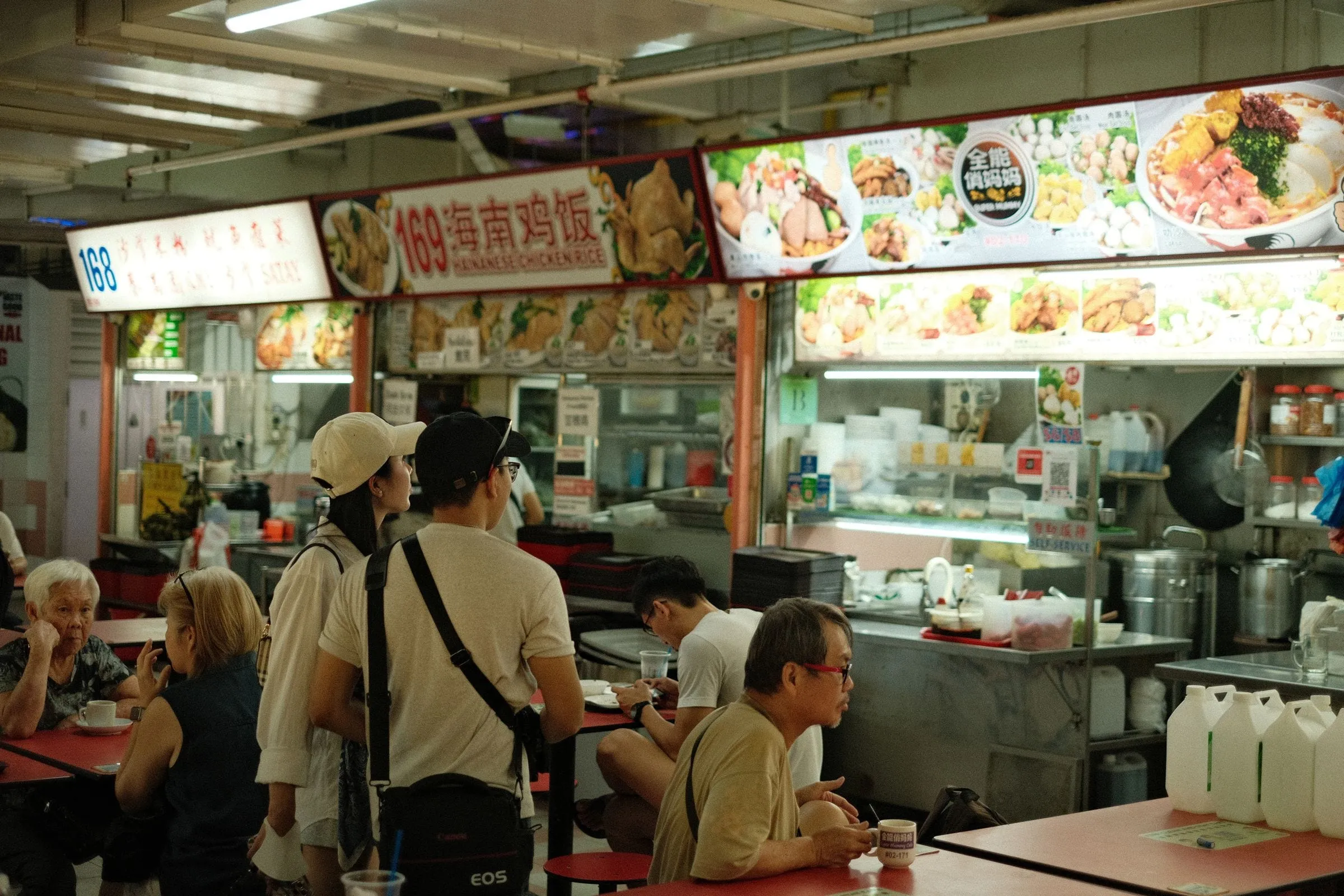
Both are price-sensitive. Singaporeans chase discounts to cope with living costs; Vietnamese put price first but pay more for safety and sustainability.
Singapore
More than half hunt offers and buy on sale. Shopee leads online.
Vietnam
E-wallets and cash on delivery; peak buying at Tết and the 11.11 and 12.12 sales.
How price-sensitive they are
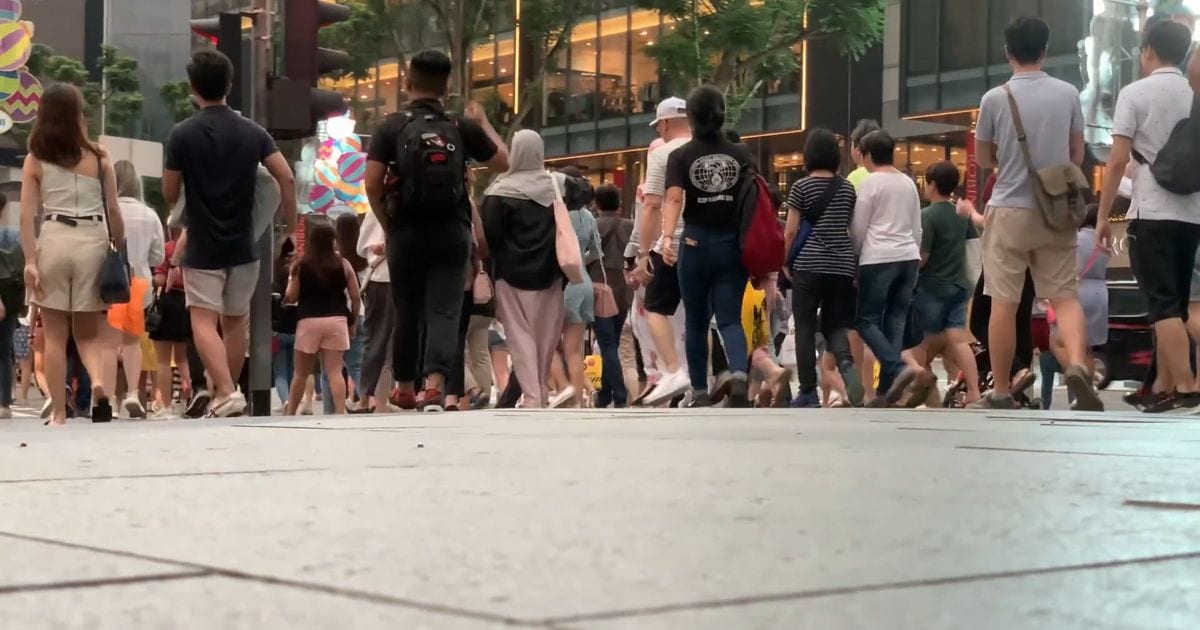
Singaporeans chase discounts more. Vietnamese are three times as likely to pay extra for a greener product.
- Looked for offers or discounts
- Singapore: 53%
- Vietnam: 33%
- Bought more on sale
- Singapore: 55%
- Vietnam: 38%
- Spent less on non-essentials
- Singapore: 51%
- Vietnam: 38%
- Paid a premium for eco-friendly
- Singapore: 11%
- Vietnam: 33%
Why they shop the way they do
Singapore's caution comes from the cost of living. Vietnam's comes from income, but quality concerns are rising.
Singapore
- Cost of living is the top worry for 66%, and 63% say inflation has cut their purchasing power.
- Careful, not stopped: 52% are cautious but still buy most of what they need.
- Government help: CDC vouchers were brought forward to June 2026 over cost-of-living worries.
- What it rewards: value bundles, member pricing and visible discounts on a premium base.
Vietnam
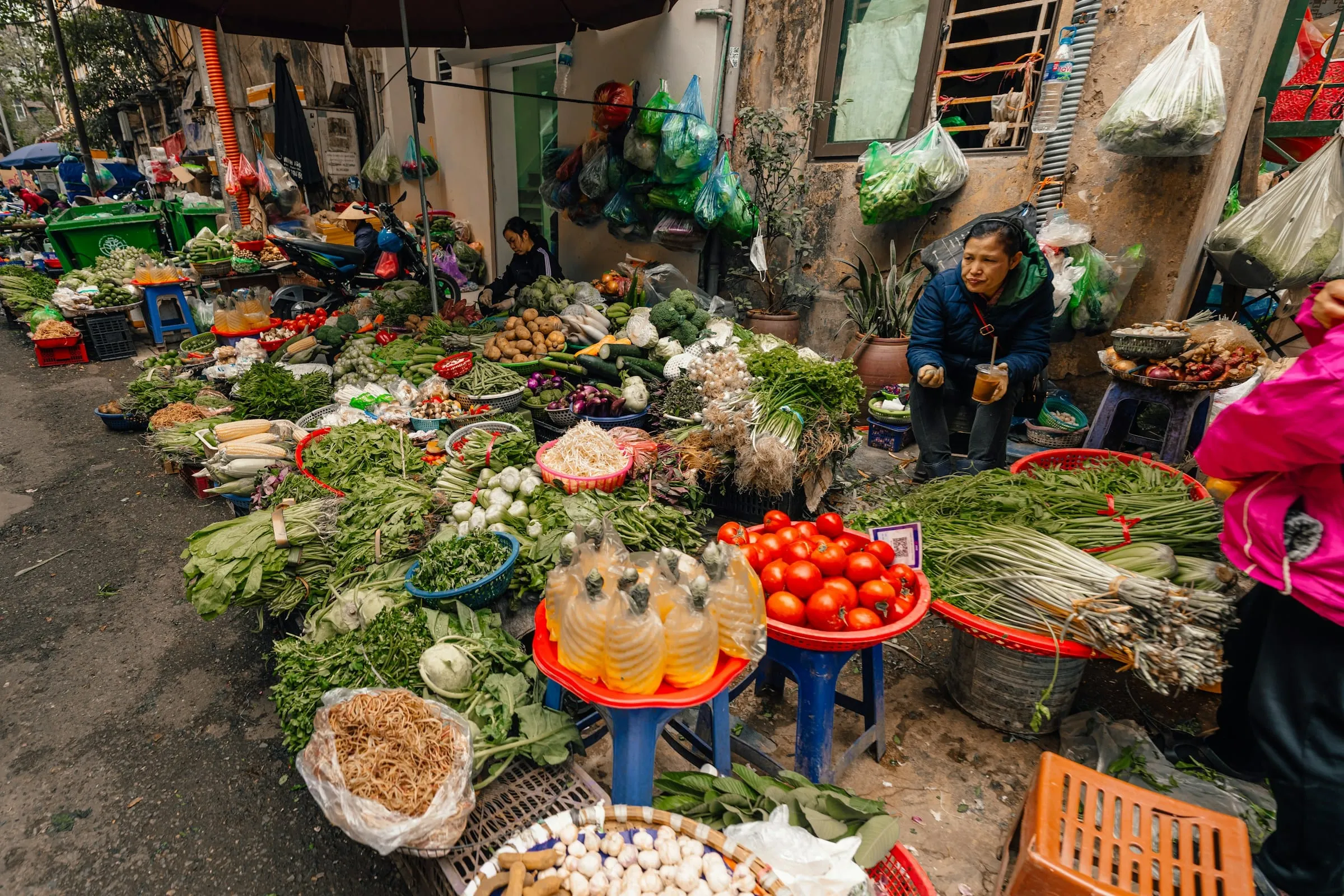
- Price first: 47% name price as the most important factor when choosing food.
- But quality matters: 74% worry about pesticide residues and ultra-processed foods.
- Convenience is growing: 54% buy prepared food at least once a week.
- What it rewards: small, affordable pack sizes and visible proof of safety.
Where they shop online
Singapore's platform sales grew 4%; Vietnam's grew nearly 35%. Shopee leads both, and TikTok Shop is the fast-growing challenger.
Singapore
US$7.7bnShopee, Lazada and TikTok Shop sales, FY2025
Up 4% on FY2024: a mature market.
- Shopee48%
- TikTok Shop31%
- Lazada22%
Vietnam
429tn ₫sales on the four largest platforms, 2025
About US$16.5bn, up 34.8% on 2024.
- Shopee56%
- TikTok Shop41.3%
- Lazada and Tiki3%
Who else is selling
Two local supermarket chains lead in Singapore. In Vietnam, traditional markets are still the biggest competitor, while local chains race to replace them.
Singapore
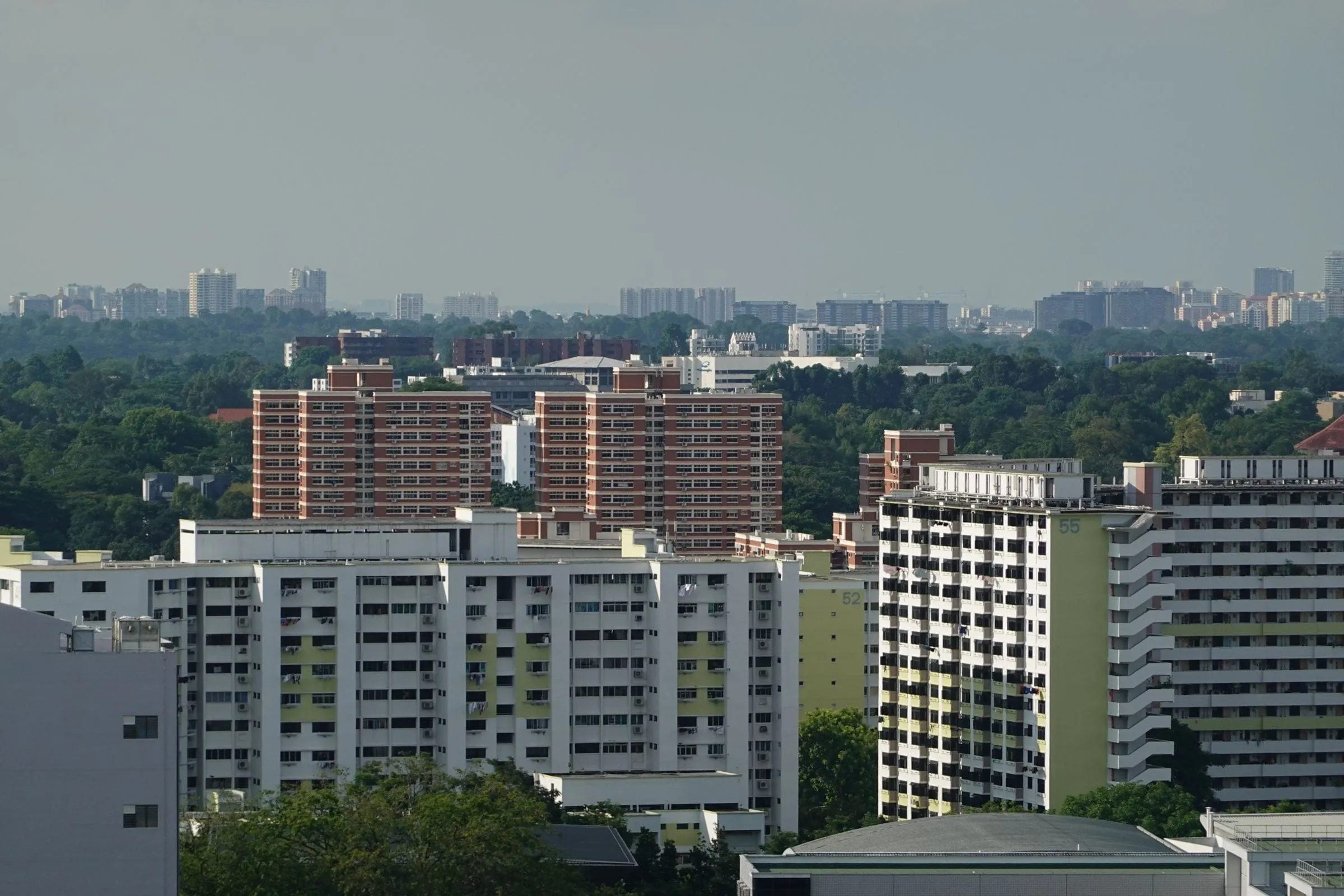
- FairPrice is the largest chain, with 164 supermarkets. Sheng Siong grew to 87 stores in early 2026, partly by taking over rivals’ sites.
- International exit: DFI sold all 48 Cold Storage and 41 Giant stores to Malaysia’s Macrovalue for S$125 million.
- Online: Shopee, TikTok Shop and Lazada (previous slide).
Vietnam
- Traditional trade: wet markets and family grocers still took over 83% of retail revenue in 2024.
- Local chains: WinCommerce ran 4,592 WinMart and WinMart+ stores at the end of 2025; Bach Hoa Xanh plans about 1,000 more in 2026; Co.opmart is the other big name.
- International: GO!/Big C, AEON and Lotte.
For business buyers: competitors depend on your industry. Add your own local, regional and global rivals.
How and when they pay
Singapore mixes cash, QR codes and cards. Vietnam has leapt to e-wallets, but cash on delivery still rules online.

Singapore
- Payment methods used: cash 63%, scan-to-pay 56%, credit cards 52%.
Vietnam
- Payment methods used: e-wallets 62%, cash 49%, QR codes 37%, credit cards 37%.
- Online: cash on delivery is still the most preferred way to pay; 49% have tried buy-now-pay-later.
- When: 85% shop around Tết, and the 10.10, 11.11 and 12.12 sales stretch the peak season across the last quarter.