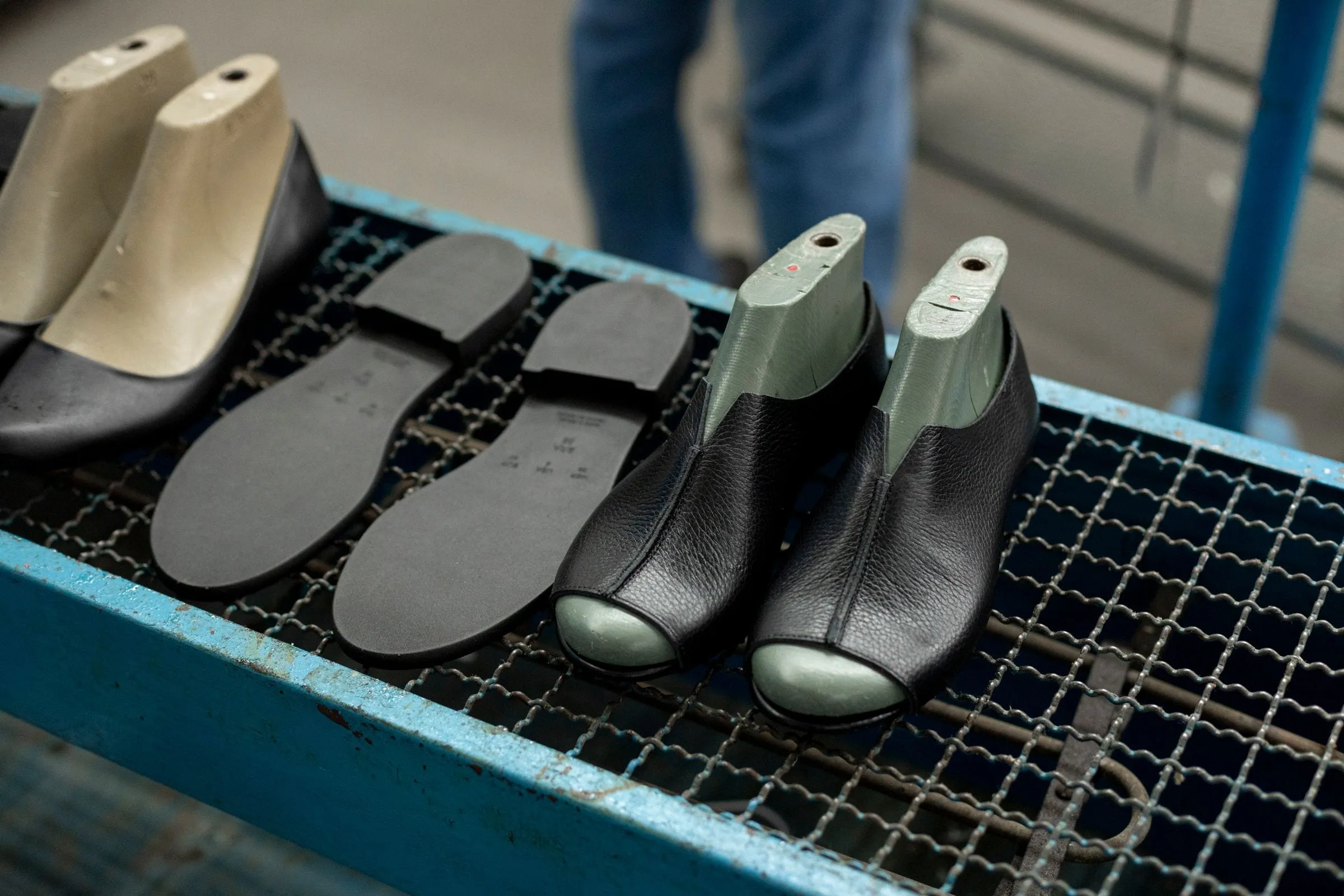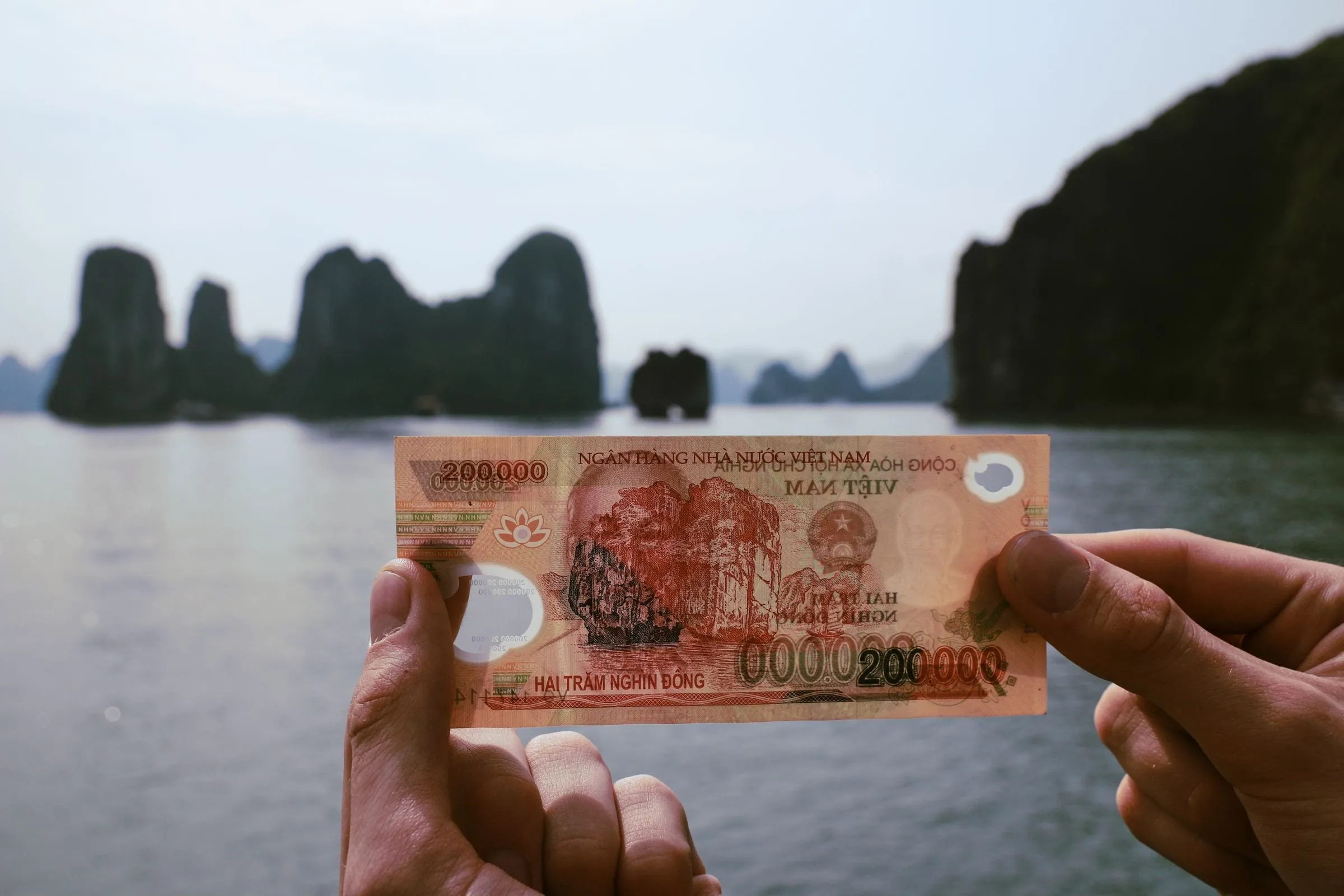
Crocs does a different job in each country

Singapore is where Crocs sells. Vietnam is where its shoes are made. US tariffs follow where goods are made.

Singapore
18Crocs stores
Plus its Asia office, here since 2004.
Tariff risk: low. Singapore faces the same 12.5% US tariff, but Crocs makes nothing here, so there is little for it to hit.

Vietnam
45%of Crocs Brand shoes are made here
In outside factories. Crocs owns none.
Tariff risk: high. Shoes made here pay the US tariff on Vietnamese goods: 12.5% today, down from 20% in 2025.
HEYDUDE left China for Vietnam, and the tariff followed
Moving factories out of China didn't escape US tariffs. By 2025 HEYDUDE made 44% of its shoes in Vietnam, and that July Vietnam got a 20% tariff of its own.
Crocs has not published HEYDUDE’s 2025 China share, only that China is no longer the majority.
−13.3%HEYDUDE sales
In 2025, while the Crocs Brand grew 1.5%. Crocs says tariffs hit HEYDUDE disproportionately.
1.7ptsof margin lost to tariffs
Crocs’ operating-margin guidance for the third quarter of 2025.
Mastercard: licensed innovator, and partner to the state

Singapore is where Mastercard runs Asia and tries new things first. In Vietnam it grows alongside the national payment network.

Singapore
HQfor Asia Pacific
And a test bed: in March 2026 an AI agent booked and paid for a ride to Changi here.
Regulatory risk: low. Strict but stable rules. In 2025 the regulator fined nine institutions S$27.5 million for anti-money-laundering failures.

Vietnam
9banks issue its joint card with NAPAS
NAPAS is Vietnam’s national payment network. Mastercard has had an office here since 2008 and brings tap-to-pay to Ho Chi Minh City’s Metro Line 1.
Regulatory risk: high. Payment and data rules change one decree at a time, so it works with the state, not around it.
For Mastercard, one steady rulebook and one that keeps moving
Singapore's payments law arrived in one piece. Vietnam's rules keep arriving one decree at a time.
Singapore
1law, since 2020
January 2020: Payment Services Act
Three licence classes, seven payment services, one regulator
Vietnam
4rule moves since 2022
October 2022: Decree 53
Store specified data in Vietnam; open a local office
July 2024: Decree 52
First legal definition of e-money; banks get 24 months to comply
July 2024: Decision 2345
Biometrics for transfers above 10 million dong
A 49% foreign cap on e-payment firms
Proposed in a draft decree, then dropped after pushback
Why Mastercard stays: Vietnam’s market is booming
28×Vietnam's GDP
The value of cashless payments in 2025.
92%a year
Growth in contactless payments, 2022 to 2024.
What changed for both companies

Crocs
The sourcing country is now a political choice. Build the diversification before you need it.

Mastercard
In Singapore you follow the rules. In Vietnam you also need the regulators on your side.