Skip to content
Politics & Risk
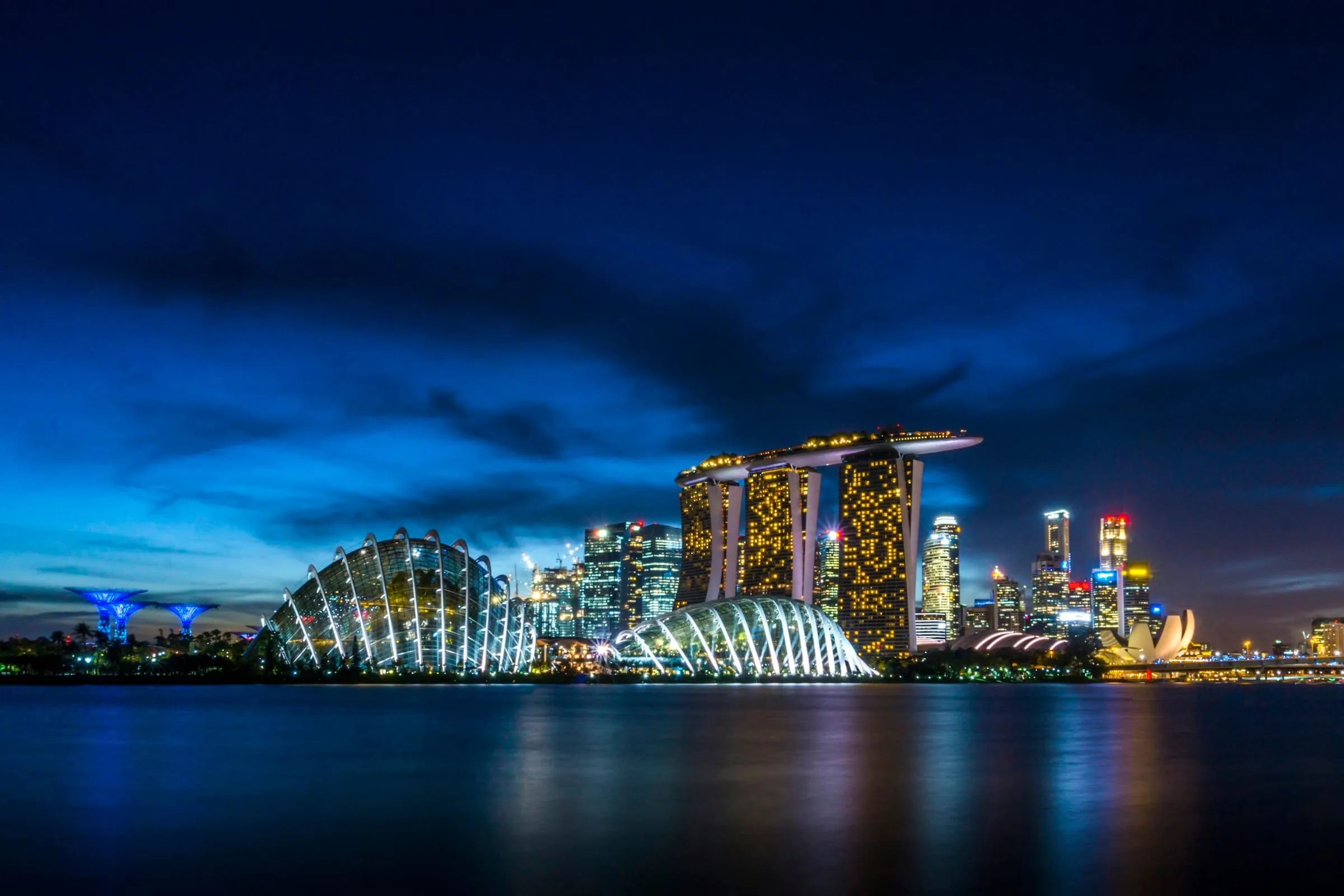
Marina Bay, Singapore, at night

Section 3 of 6

Money Matters

What all of that means for foreign direct investment, and whether you can get your money out.

Next: Local Knowledge
FDI

The terms on the table
Vietnam offers the longer tax break. Singapore offers fewer conditions. For a company the size of Crocs or Mastercard, neither goes below 15%.

SingaporeVietnam
Headline corporate tax
Singapore: 17%Standard rate
Vietnam: 20%Standard rate
Best incentive rate
Singapore: 5 to 10%For up to five years
Vietnam: 10%For 15 years, with four years tax-free and nine at half rate, for high-tech and large projects
Floor for large multinationals
Singapore: 15%Global minimum tax, from 2025
Vietnam: 15%Global minimum tax, from 2024, for groups over €750m revenue
FDI

Getting your money out

The single biggest practical difference between the two. Count the steps.

Singapore

2steps, any time

  1. Book the profit

  2. Send it home, any time

    No capital controls and no withholding tax on dividends

Vietnam

5steps, once a year

  1. Book the profit

  2. Audited financial statements

  3. Tax finalisation

  4. Tell the tax office at least seven working days ahead

  5. Send it home, once a year

    At fiscal year end, or when the investment ends

  6. Carrying accumulated losses? You cannot remit at all.

FDI

How much money is coming in

New foreign investment each year, measured the same way for both by the UN. Singapore takes in about seven times as much.

Singapore

US$150.9bnin 2025

New money from foreign investors, up 10.8% on 2024.

New foreign investment by yearUS dollars, both countries on one scale
  • 2024US$136.2bn
  • 2025US$150.9bn

Vietnam

US$20.4bnin 2025

New money from foreign investors, up 0.9% on 2024.

New foreign investment by yearUS dollars, both countries on one scale
  • 2024US$20.2bn
  • 2025US$20.4bn

Singapore is Vietnam’s top source of new investment in 2026, with South Korea.

FDI

Open doors and closed ones

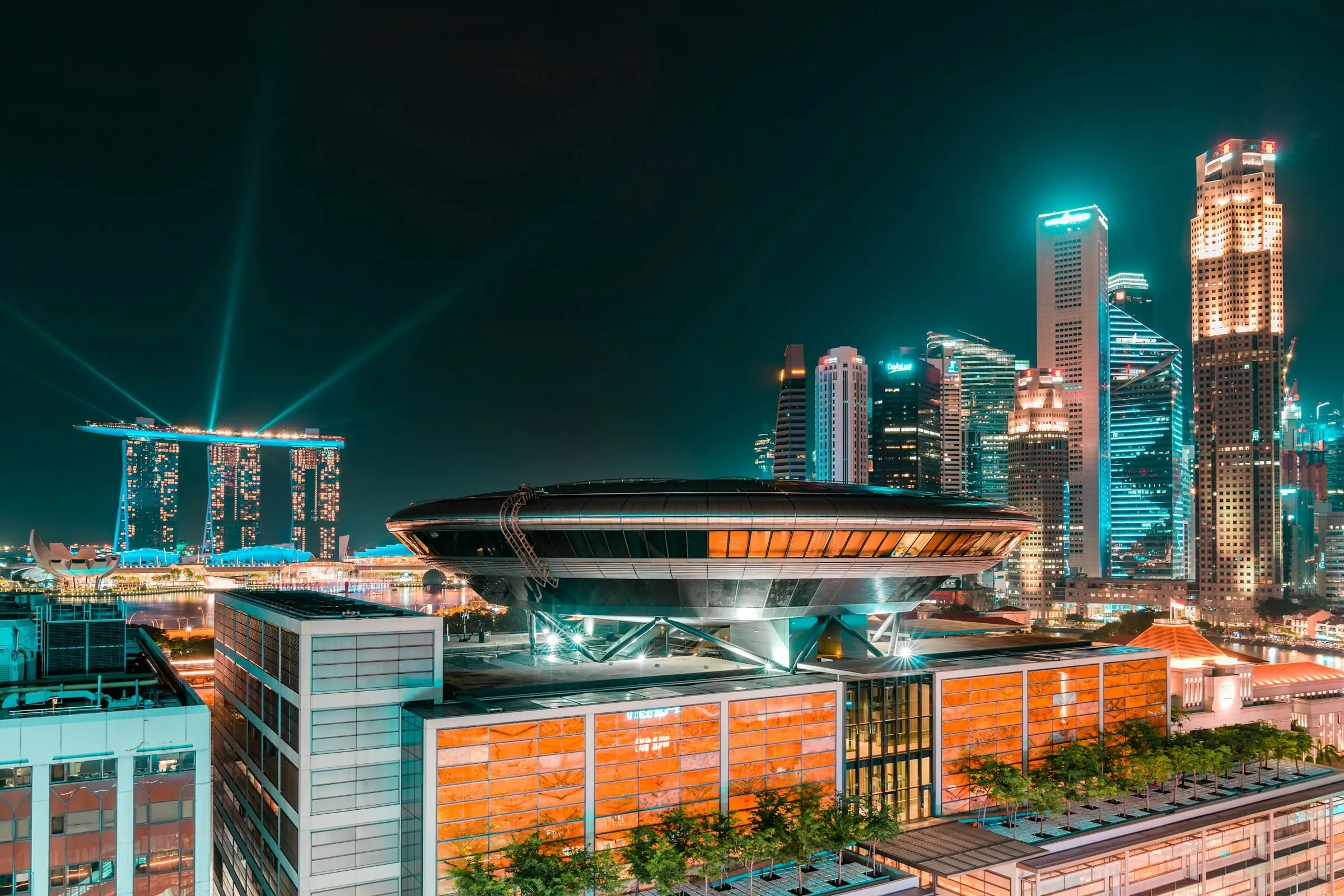
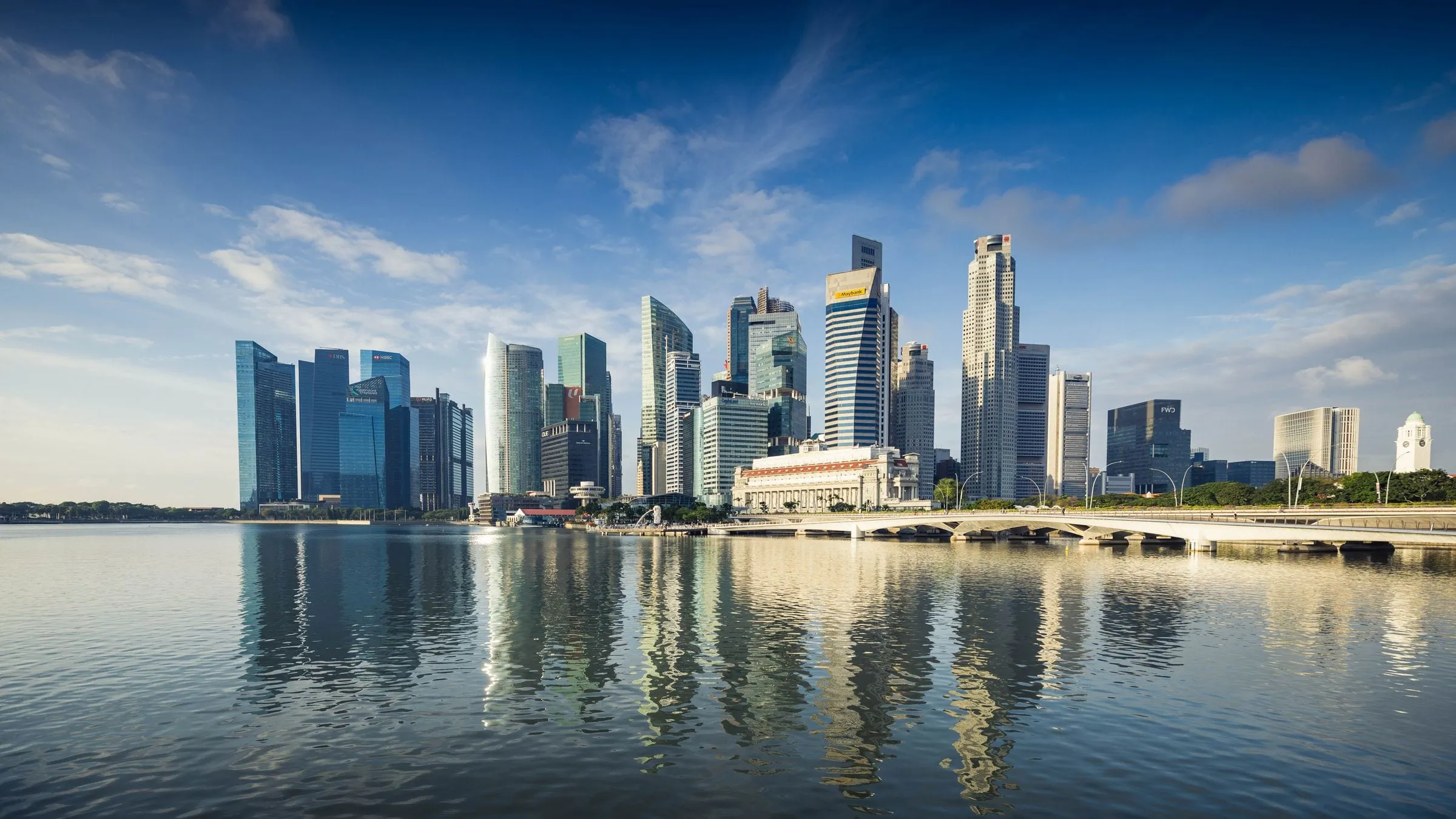
Singapore's Supreme Court, Marina Bay Sands and the Downtown Core at night

Singapore

  • Open: most sectors, with no blanket cap on foreign ownership.
  • Partly open: foreign holdings in broadcasting must stay under 49%.
  • Closed: landed homes, unless the government approves the sale.
  • Tightening: since March 2024, a stake of 12% or more in a firm critical to national security needs ministerial approval.
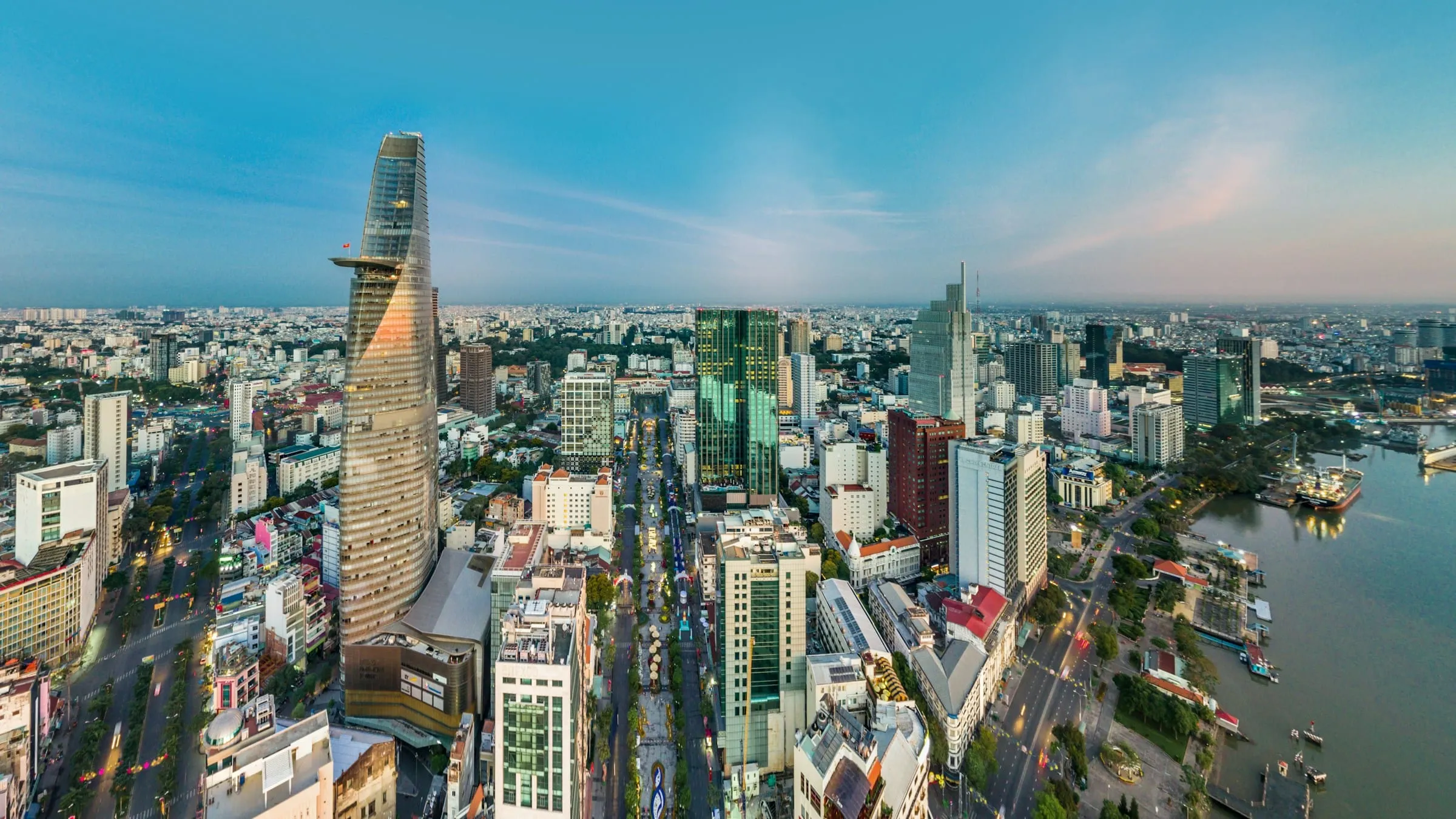
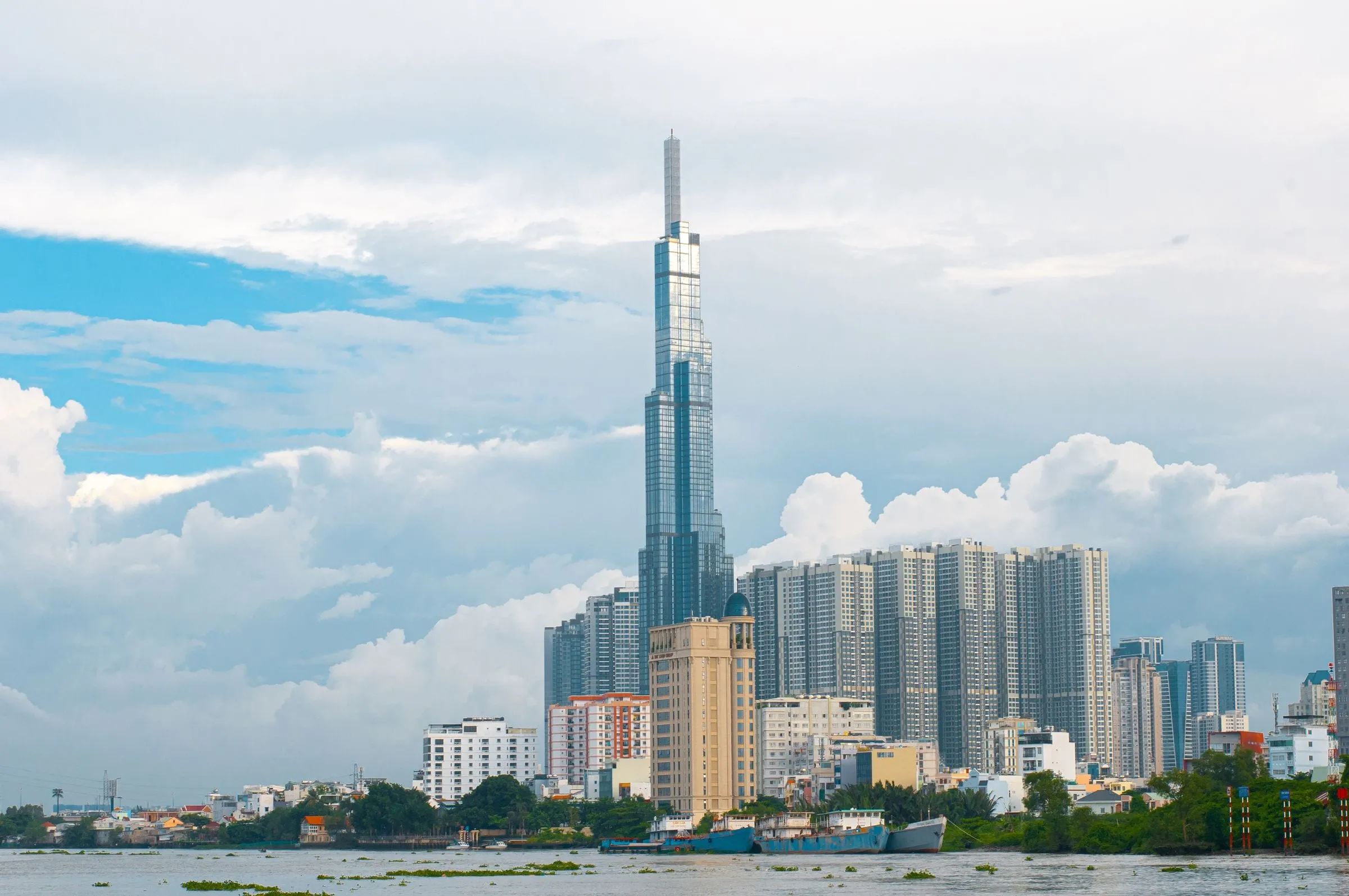
Ho Chi Minh City skyline beside the Saigon River

Vietnam

  • Open: 100% foreign ownership in manufacturing-adjacent services, consultancy, hotels and IT.
  • Partly open: 62 sectors with conditions, such as banking, insurance, securities, logistics, transport and real estate. Some cap foreign stakes at 49%, like waterway transport.
  • Closed: 23 sectors, such as press, marine fishing, security services and notaries. Land too: you hold use rights, not ownership.
  • Tightening: industrial parks lost their tax incentives for projects licensed after October 2025.
FDI

What it means for an investor

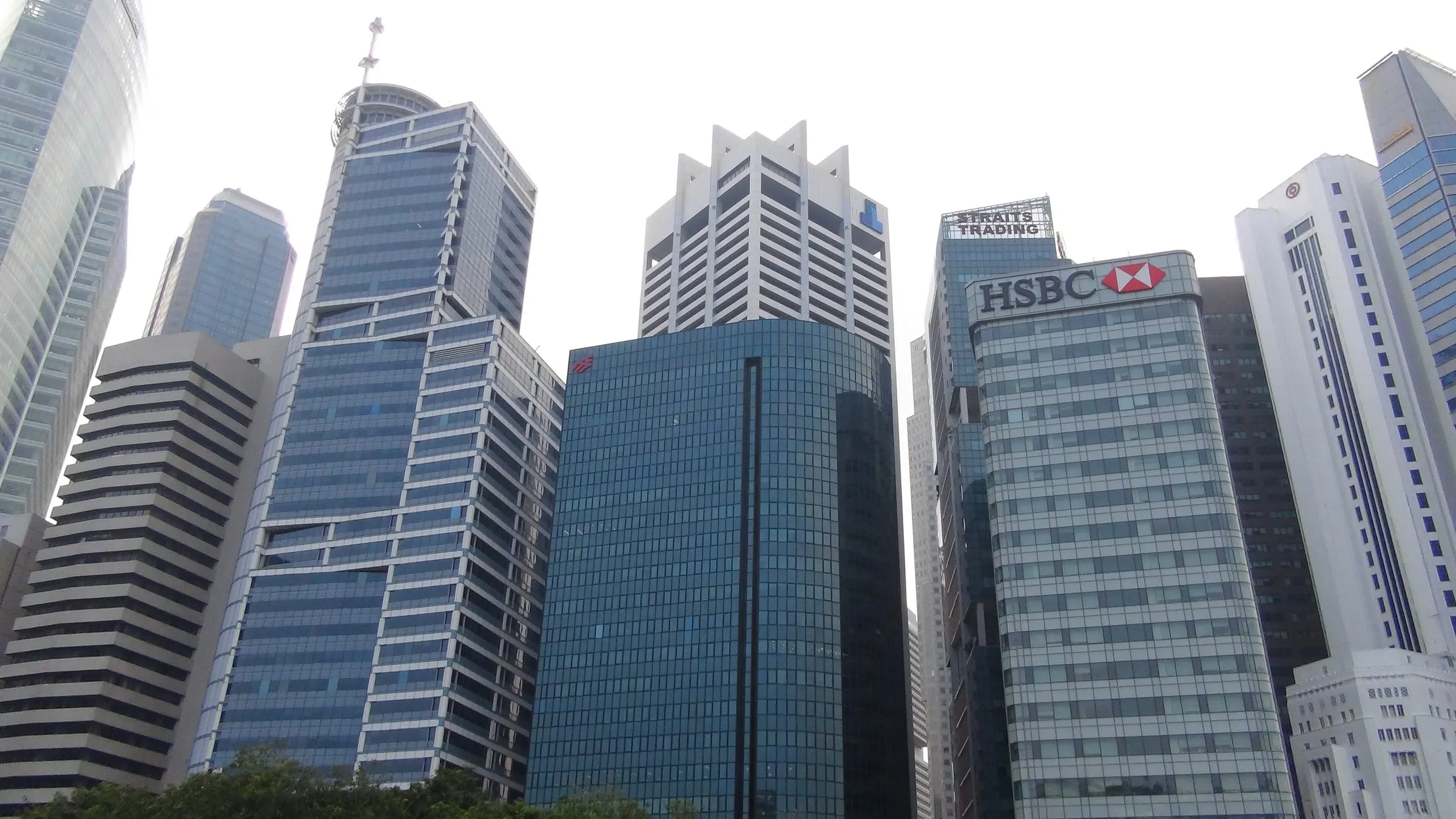
Office towers at Raffles Place, Singapore's financial district

Singapore

The tax break is shorter, but your money moves whenever you like.

No capital controls and no dividend withholding; incentives run five years at most.
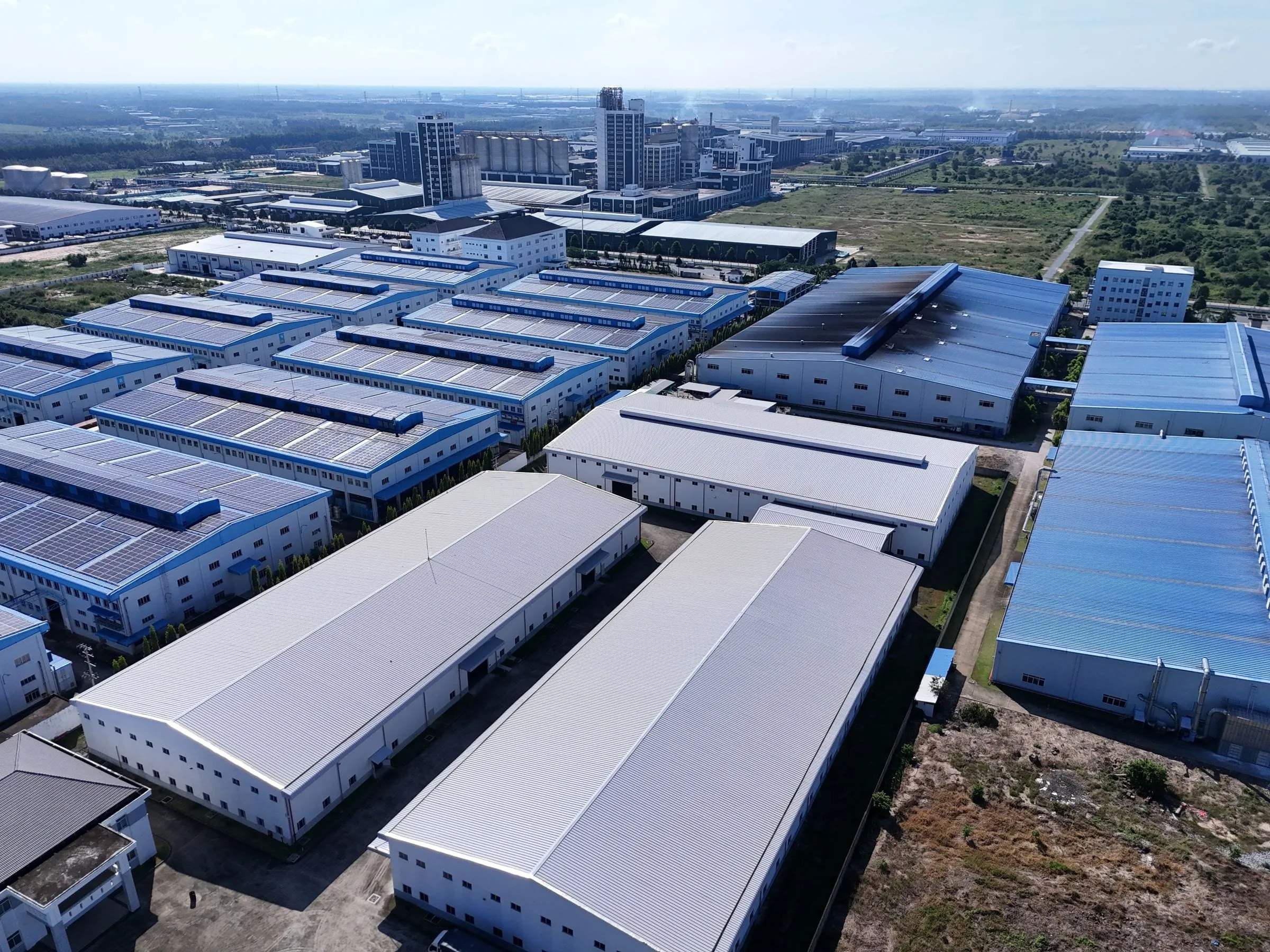
Aerial view of an industrial park in Thu Dau Mot, Binh Duong, Vietnam

Vietnam

The tax break is longer, but your cash leaves once a year, and only if the books show a profit.

Remittance waits for audited accounts and tax finalisation, and accumulated losses block it. Large groups still pay at least 15%.