Skip to content
Finance & Economics
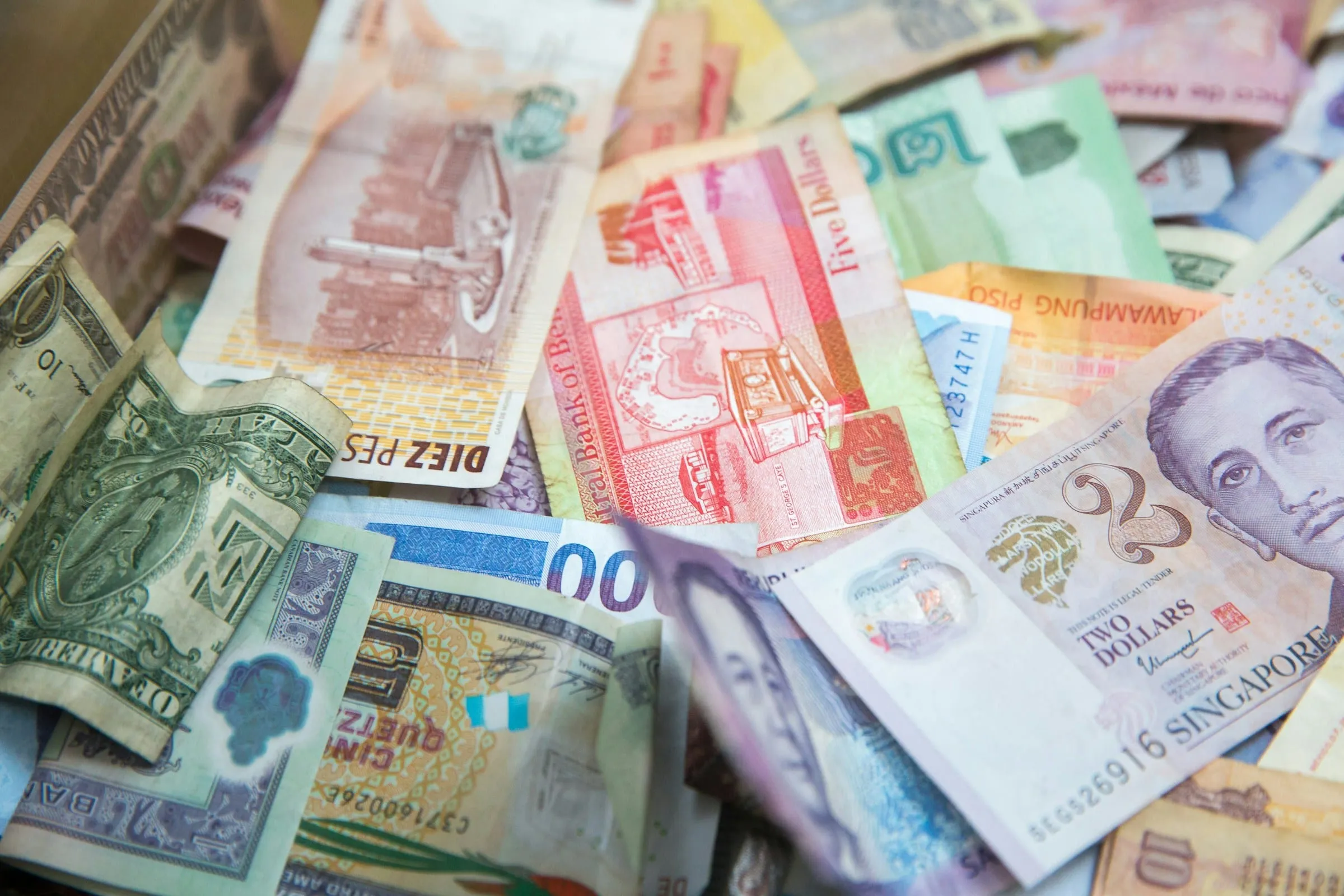
Singapore dollar banknotes

Section 3 of 6

Monetary Policy, Currency and Banking

Singapore keeps a firm currency and well-capitalised banks. Vietnam trades cheap credit for growth, with a weaker VND and thinner bank buffers.

Next: Trade & Exposure

Two central banks, two very different approaches

Singapore steers its currency. Vietnam steers the price and volume of credit, and the currency too.

Singapore

2tightenings in 2026

MAS raised the currency’s rate of rise in April and again, by less, in July.

  • No policy interest rate. MAS manages the Singapore dollar against a secret basket of currencies, inside a band it can tilt, widen or shift.
  • Why tighten now: a stronger dollar makes imported energy and food cheaper.

Vietnam

4.5%refinancing rate

Still at a historic low in May 2026, with the discount rate at 3.0%.

  • More levers: policy rates, credit-growth limits, market operations and a managed exchange-rate band.
  • The tension: in August the government told the central bank to keep rates stable and credit flowing, while managing currency flexibly.

How the currencies move
The Singapore dollar drifts up on purpose. The VND drifts down, and the central bank leans against it.

SingaporeVietnam
Recent direction
Singapore: +1.2%Against its basket in 2025, and 0.4% more by April 2026
Vietnam: −5%About that much against the US dollar in 2024, still under pressure in 2025
The band
Singapore: SecretMAS keeps the basket and band confidential
Vietnam: ±5%Banks trade within 5% of the daily reference rate
Latest reading
Singapore: $427bnUS dollars in official reserves behind the currency, April 2026
Vietnam: ₫26,300Per US dollar, July 2026 market average; reference rate about ₫25,600 in September
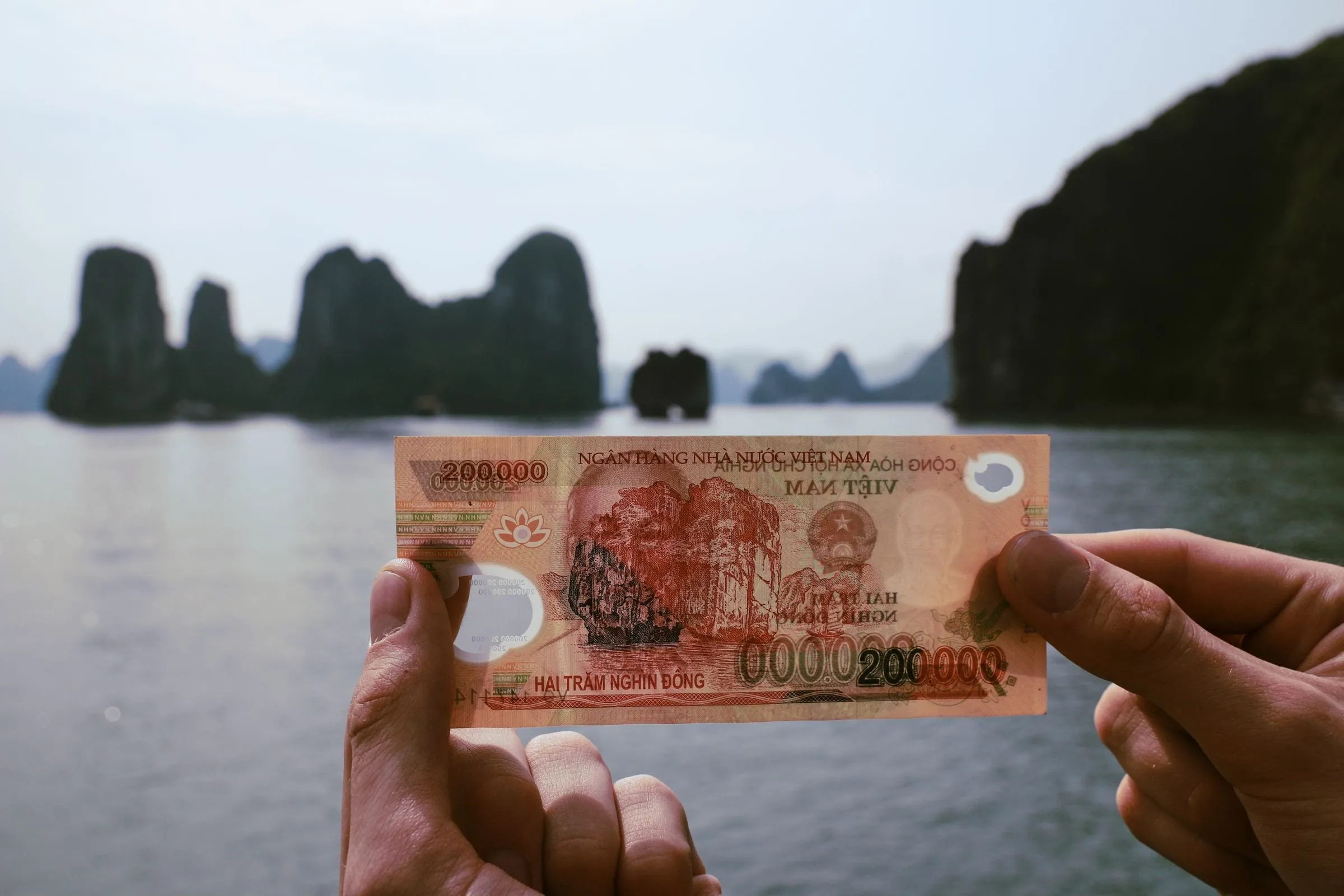
What that does to your costs
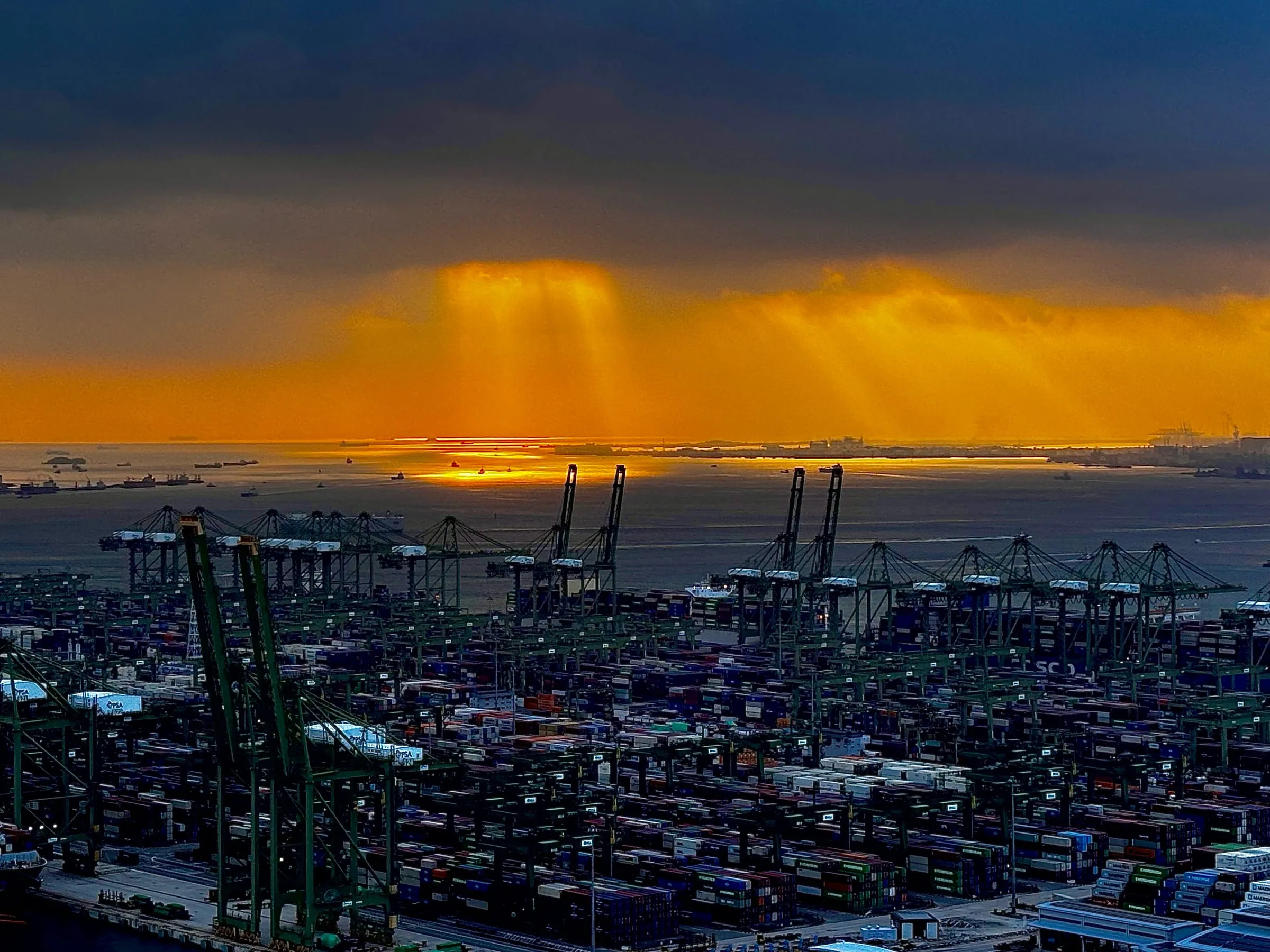
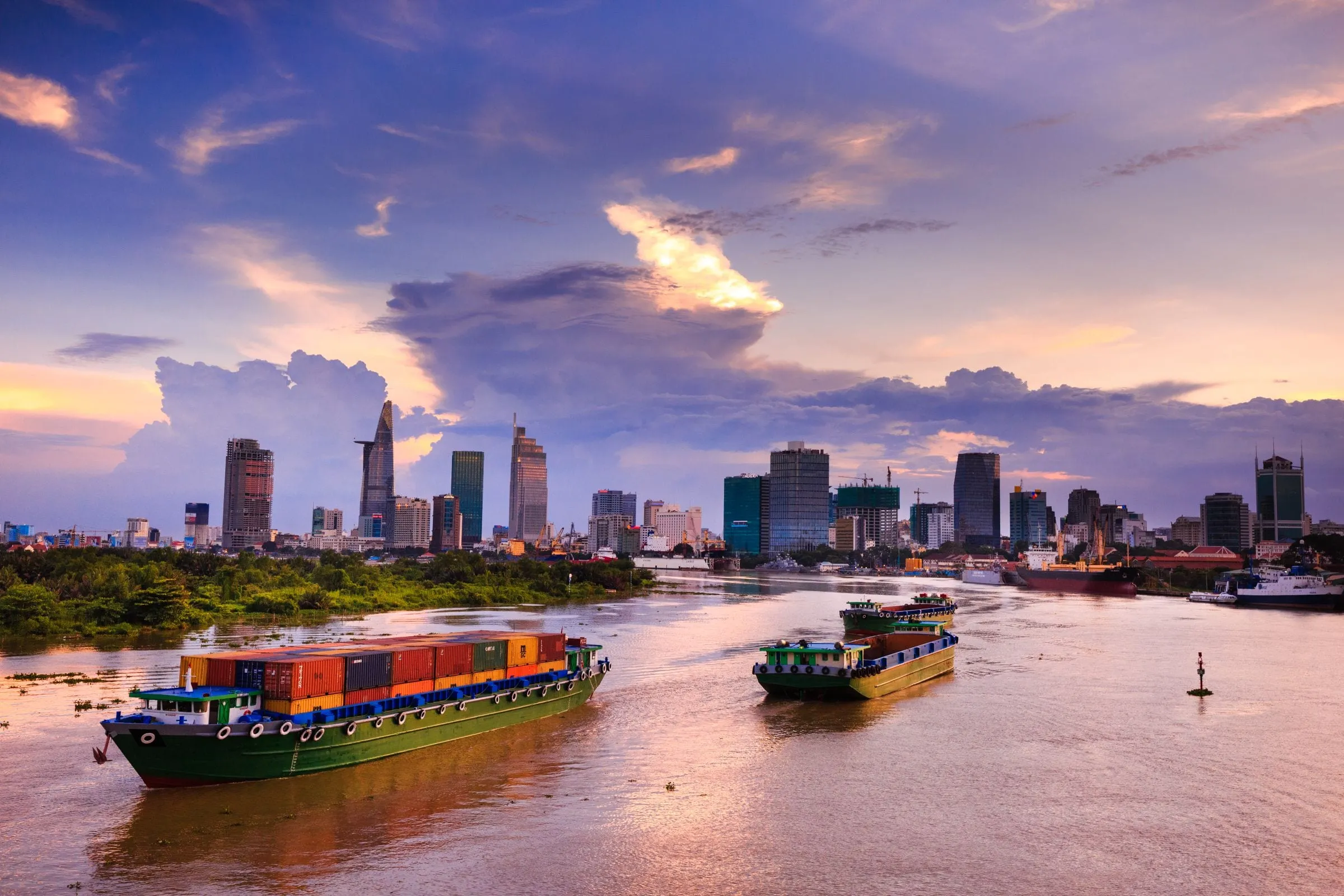
A strong currency makes imports cheap and people expensive. A weak one does the reverse.

Light breaking through clouds over Pasir Panjang Container Terminal, Singapore

Singapore

  • Cheaper: imported goods, energy, food and inputs.
  • Pricier: Singapore-based salaries and services, priced in other currencies.
  • Currency risk: low for an emerging-market region, but a rising dollar still squeezes margins on regional pricing.
Container barges on the Saigon River with the Ho Chi Minh City skyline at dusk

Vietnam

  • Cheaper: exports, which stay competitive as the currency slides.
  • Pricier: imported equipment, energy and any debt owed in US dollars.
  • Currency risk: build exchange-rate swings into pricing, sourcing and cash-flow plans in Ho Chi Minh City.

Moving money across the border

Singapore's door is open. Vietnam's opens too, but by appointment and with paperwork.

Singapore

Noneexchange controls

  • No restrictions on payments for trade and services, other than security-related ones.
  • Capital and profits can be sent home freely.
  • One reason Singapore serves as the region’s treasury center.

Vietnam

Newrules from 18 August 2026

  • Investment money moves through a dedicated investment capital account, under a new central-bank circular.
  • Profits can leave once a year, after audited accounts and tax finalization, and not at all while the books show accumulated losses.
  • Choice of bank and documentation matter as much as the rules.

How strong are the banks

Singapore's banks hold more capital, significantly fewer bad loans, and plenty of deposits behind their lending.

SingaporeVietnam
Capital adequacy
Singapore: 18.5%All banks, 2025 Q2
Vietnam: 10.4 to 12.1%State banks to private banks, March 2025
Bad loans
Singapore: 1.1%Nonperforming loans, 2025 Q2
Vietnam: 5.3%On the balance sheet, March 2025
Loans per deposit
Singapore: 66%Lending well covered by deposits
Vietnam: 100%+Lending runs ahead of deposits
Vietnam’s banks now pay 6 to 8% for six- to twelve-month deposits to fund their lending.

Where the pressure sits

Singapore's risks come from abroad. Vietnam's are at home.

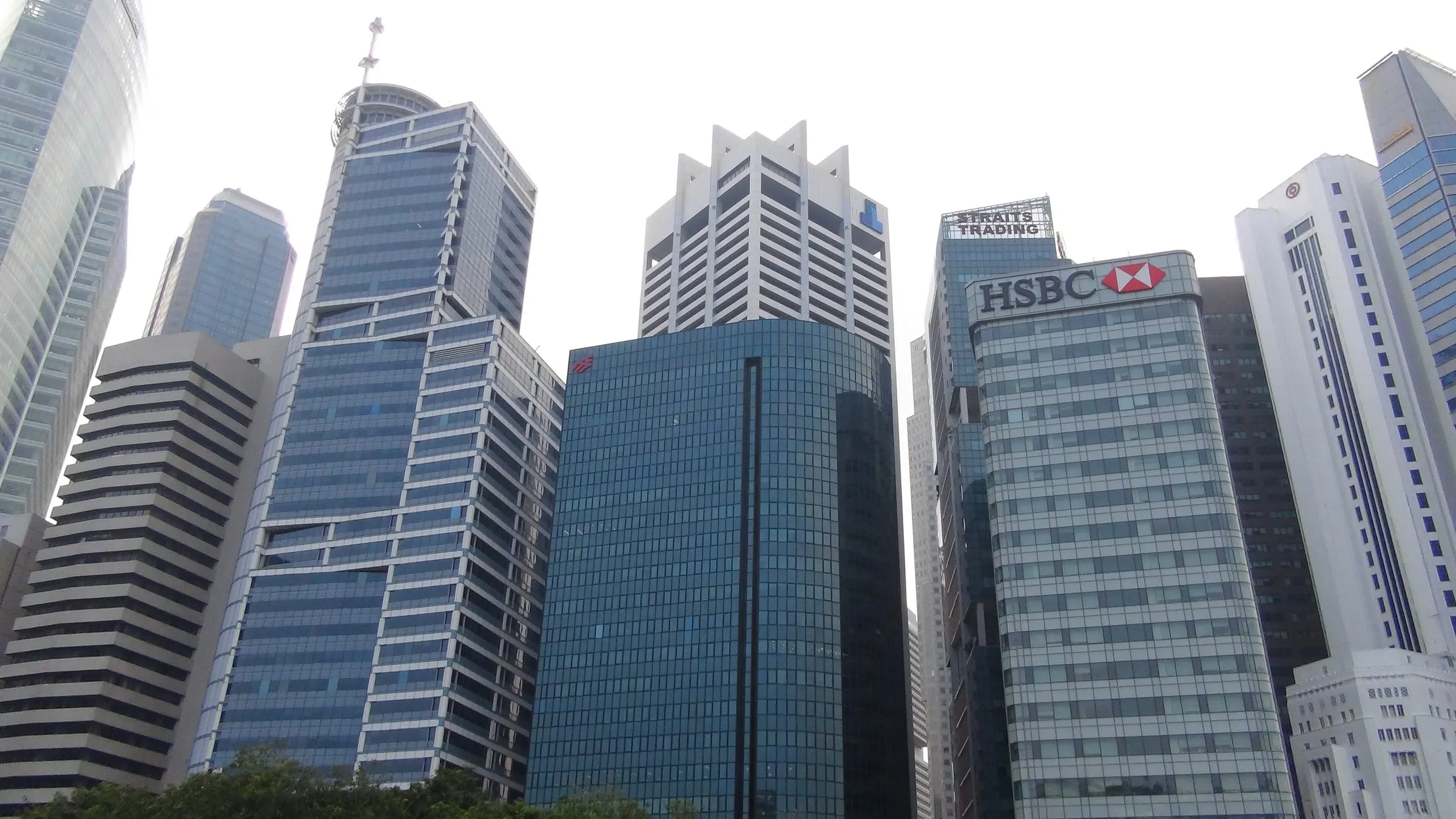
Office towers at Raffles Place, Singapore's financial district

Singapore

The IMF calls the system resilient and its risks contained. What to watch:

  • US-dollar funding and cross-border exposures.
  • Commercial real estate and links to non-bank lenders.
  • Cyber risk and pockets of heavily indebted companies.
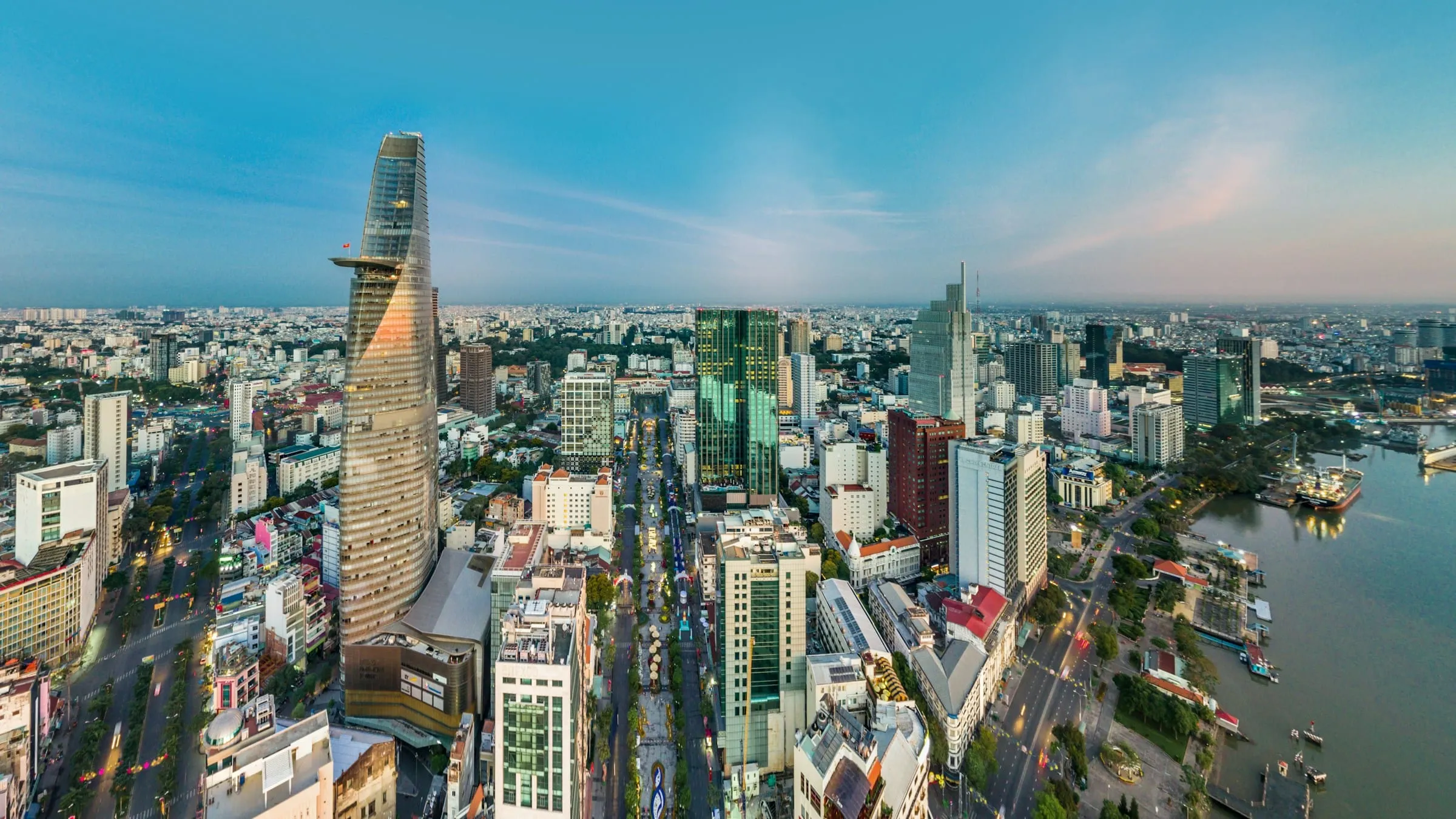
Ho Chi Minh City skyline beside the Saigon River

Vietnam

Reforms are strengthening supervision, but the buffers are thin. What to watch:

  • Credit growing faster than deposits.
  • Retail deposits’ share falling from 48% in 2024 to 44% in 2025, with banks turning to bonds and interbank loans.
  • Bank lending tied up in real estate.

What it means for a company

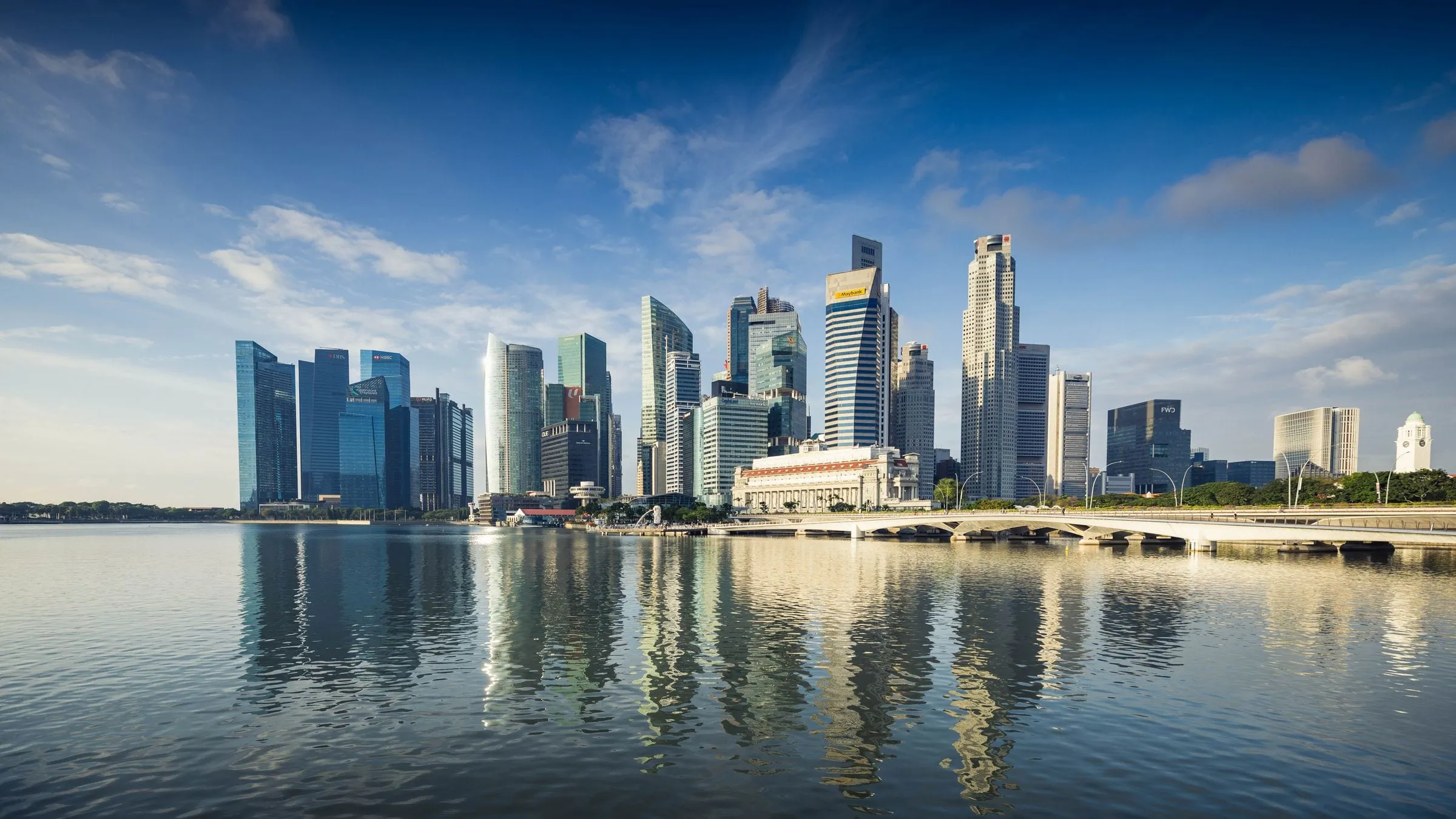
Office towers of Singapore's Marina Bay and Downtown Core reflected in the bay in daylight

Singapore

Banking, conversion and cash are reliable. The one policy risk is a stronger dollar.

MAS has tightened twice in 2026 to hold down imported inflation; the banks are well capitalised and liquid.
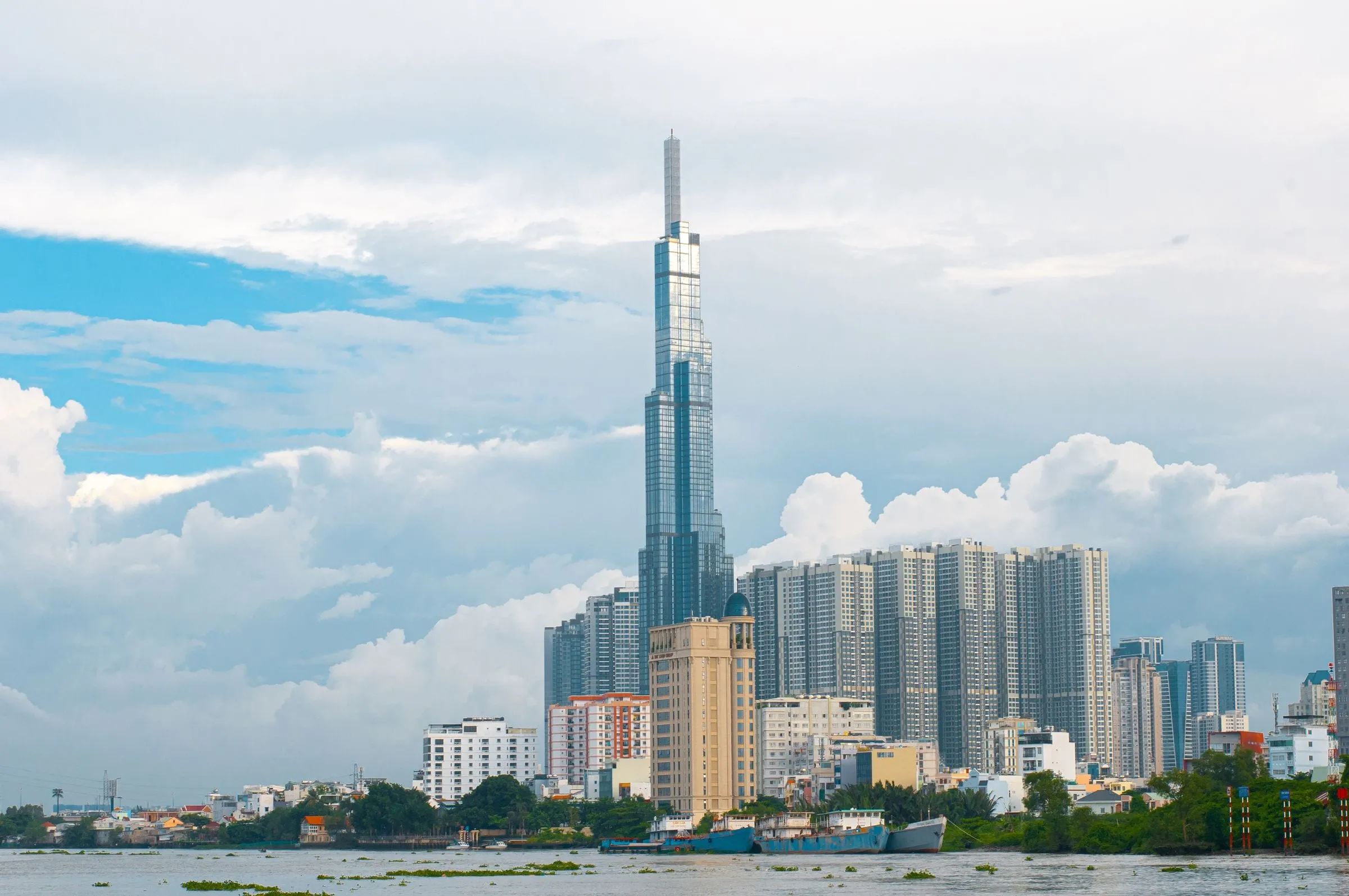
Landmark 81 and surrounding high-rises beside the Saigon River, Ho Chi Minh City

Vietnam

The growth is real. Treat currency hedging and your choice of bank as core controls, not paperwork.

The VND is prone to slide, profits leave once a year, and bank buffers are thin.