How much they trade
Both are trading at record pace in 2026. Singapore's exports are surging; Vietnam's imports are outrunning its exports.
Singapore
S$1.4tngoods trade, 2025
Up 8.7% on 2024.
- 2026 is faster still: exports up 49.2% and imports 39.3% in August alone, year on year.
- What’s driving it: electronics exports up 131.8%, on AI-related demand.
- The mix: machinery and transport equipment make up about 69% of non-oil exports.
Vietnam
US$930bngoods trade, 2025
A record, with a US$20bn surplus.
- 2026 has flipped: exports up 22.4% but imports up 35.3% through August.
- The result: a US$23.5bn deficit by mid-September, the largest in 30 years.
- Where it sits: domestic firms run the deficit; foreign-invested firms still run a surplus.
Who they trade with
Singapore's top four partners are close in size. Vietnam sells mostly to the US and buys mostly from China.
Singapore
- Taiwan170.3
- Mainland China162.9
- Malaysia145.0
- United States139.2
Taiwan overtook China as the top partner in 2025. No single market dominates.
Vietnam
- United States86.5
- China37.9
- Japan14.8
The US takes about a third of exports. On imports, China supplied US$138.6bn through August and South Korea US$60.1bn.
Two trade models
Singapore earns as a hub and a services centre. Vietnam earns by assembling for foreign firms, and its own companies are falling behind.
- The main engine
- Singapore: 71%Share of non-oil exports that are re-exports, 2025
- Vietnam: 77.3%Share of exports made by foreign-invested firms, 2025
- The second engine
- Singapore: S$533.7bnServices exports in 2024, a surplus of about S$46bn
- Vietnam: US$108bnExports by domestic firms in 2025, down 6.1%
- Where it is heading
- Singapore: 136%Services trade as a share of GDP in 2024, up from 102% in 2014
- Vietnam: 18%Share of small firms in supply chains in 2023, down from 35% in 2009
Trade agreements
Both are in the region's big deals. Singapore's network is wider; Vietnam's can't replace the US market.
Singapore
29free trade agreements in force
Including CPTPP, RCEP and the EU–Singapore FTA.
- The hedge is the network, not any single deal: it spreads exposure across many markets.
Vietnam
18FTAs, in force and planned
Including CPTPP (2019), RCEP (2022) and the EU–Vietnam FTA (2020).
- RCEP alone covers about 30% of the world’s people and output.
- A buffer, not a replacement: no agreement matches the scale of the US market.
The US tariff risk
Both now face the same new 12.5% US duty. Vietnam has far more at stake.
Singapore
12.5%extra US duty from 24 July 2026
Part of a forced-labour action covering 60 economies.
- Exposed: about a third of domestic exports to the US, S$9.5bn a year, roughly 3% of domestic exports globally.
- So far: MTI calls the impact muted.
Vietnam
12.5%extra US duty from 24 July 2026
The same flat Section 301 rate.
- Before that: a 20% reciprocal tariff from August 2025, cut to 10% in February 2026 after a Supreme Court ruling.
- Still contested: 25 US states are suing over the new duty.
- At stake: US$137bn of two-way trade through August, up 23.4%.
Where supply chains could break
Singapore's risks are chokepoints and inputs. Vietnam's growth rests on firms that moved from China.
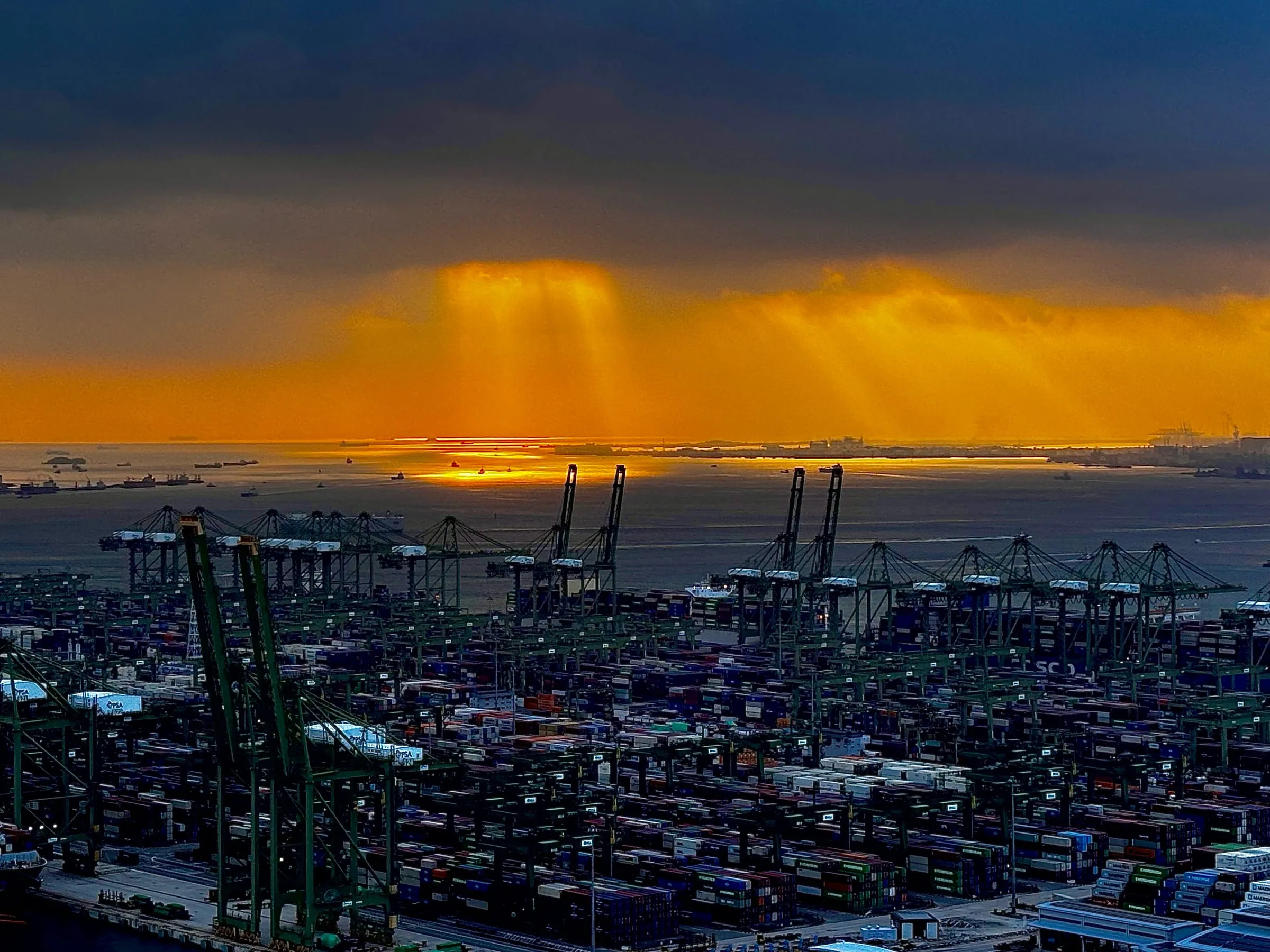
Singapore
- Sea lanes: Singapore, Malaysia and Indonesia pledged in August to keep the Malacca and Singapore Straits open.
- Helium: under half of Singapore’s chip fabs recycle it, vs 70%+ in Japan and Taiwan.
- Resilience: 23% of firms could run four to six months through a shock, vs 13% globally.
- Planning ahead: a first-of-its-kind essential-supplies pact with New Zealand took effect in July.
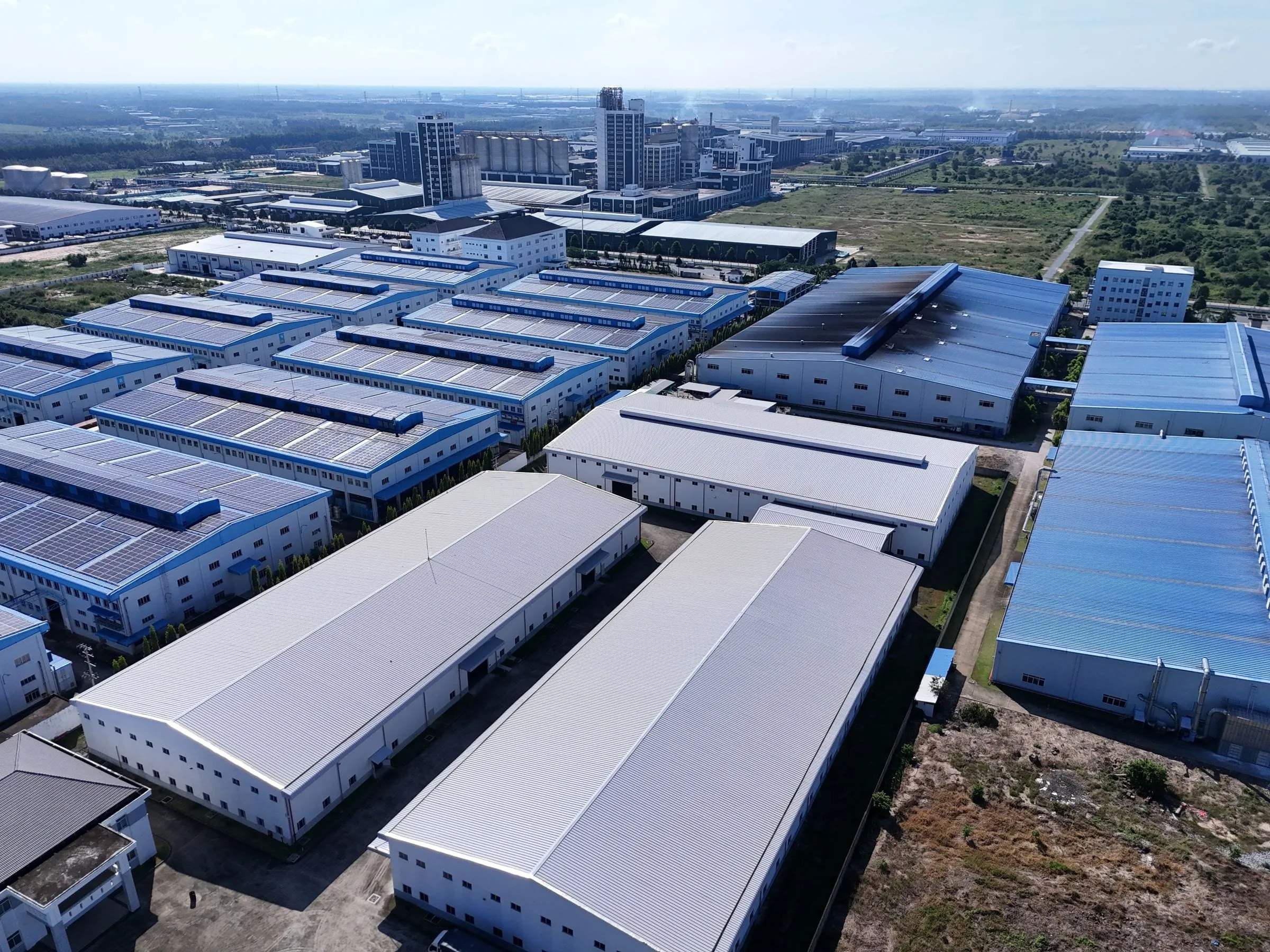
Vietnam
- China+1: Chinese-owned firms account for a disproportionate share of the export boom to the US.
- Still tied to China: those firms keep sourcing their inputs there.
- Moving up: a national chip strategy offers up to 50% subsidies for semiconductor R&D centres.
- Handle with care: the shift may owe as much to trade tensions as to lasting advantage.
What it means for a company
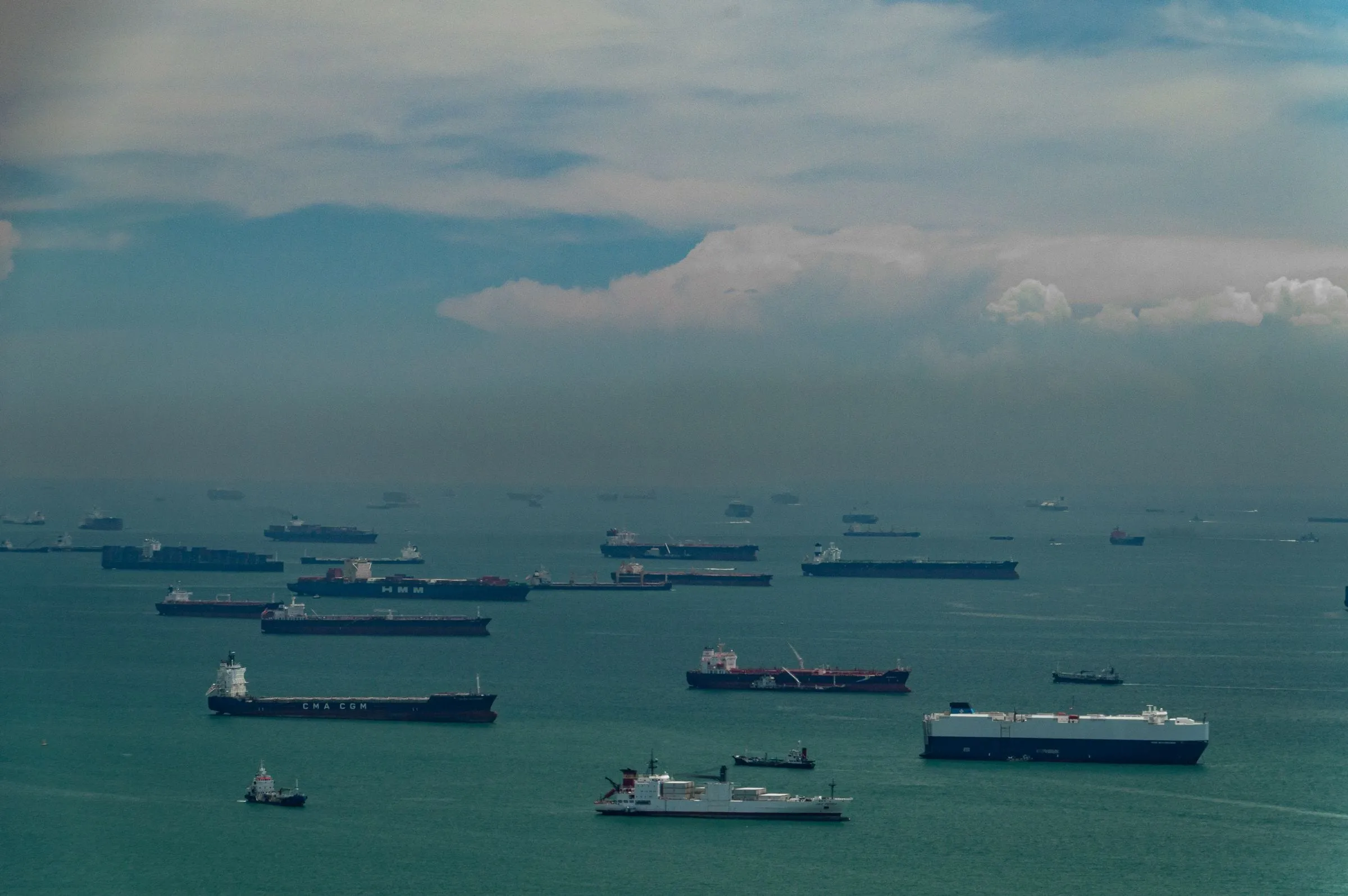
Singapore
Truly diversified: many partners, 29 trade agreements, and a real AI electronics upcycle.
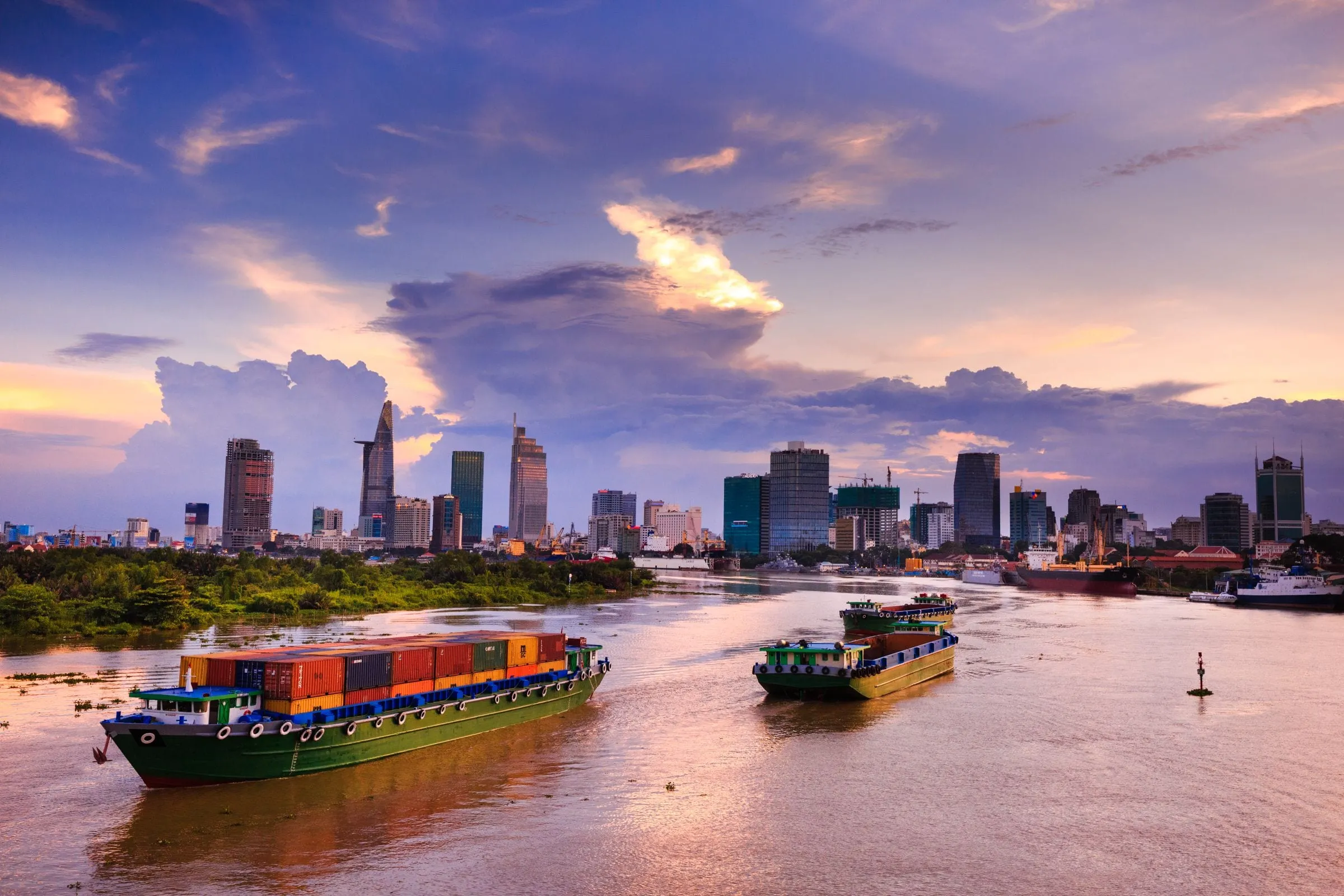
Vietnam
Fast, foreign-investor-driven growth with heavy reliance on the US market.