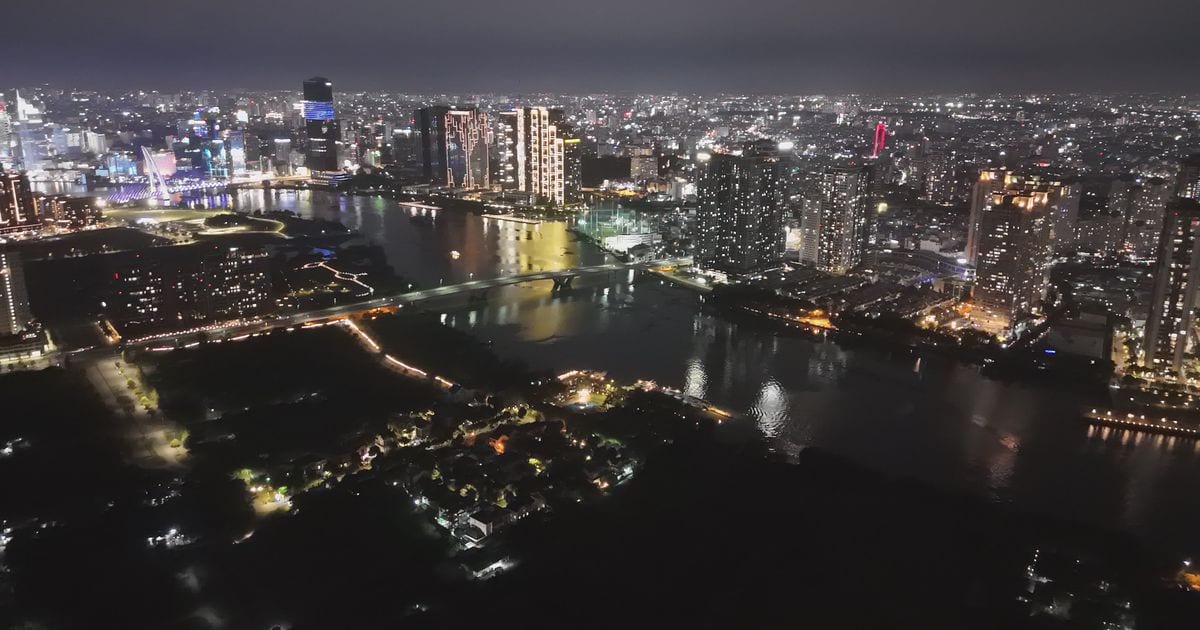
Does the current financial and economic environment support an investment in Singapore or Ho Chi Minh City?
Questions for each city, and the parts of this briefing that answer them.
Question 1
What are the historical and current economic trends in each country?
Question 2
How stable are the currency and the banking sector?
Covering: growth, inflation, jobs, public debt and credit ratings; exchange rates, interest rates, banks and foreign exchange controls; trade partners and tariffs; incomes, prices and credit; and where investors are putting money.
At a glance
Singapore is steadier. Ho Chi Minh City grows faster, at a price.
- Growth
- Singapore: 6.1%First half of 2026
- Vietnam: 8.55%Ho Chi Minh City, first half of 2026
- Inflation
- Singapore: 2.2%July 2026
- Vietnam: 4.89%August 2026
- Credit rating
- Singapore: AAAS&P, Moody's and Fitch
- Vietnam: BB+Below investment grade; Moody's outlook positive
- Currency
- Singapore: RisingMAS tightened twice in 2026
- Vietnam: ₫26,300Per US dollar, July 2026; expected to weaken
Five things to know before you commit
The numbers that most change the cost, risk or timing of an investment.
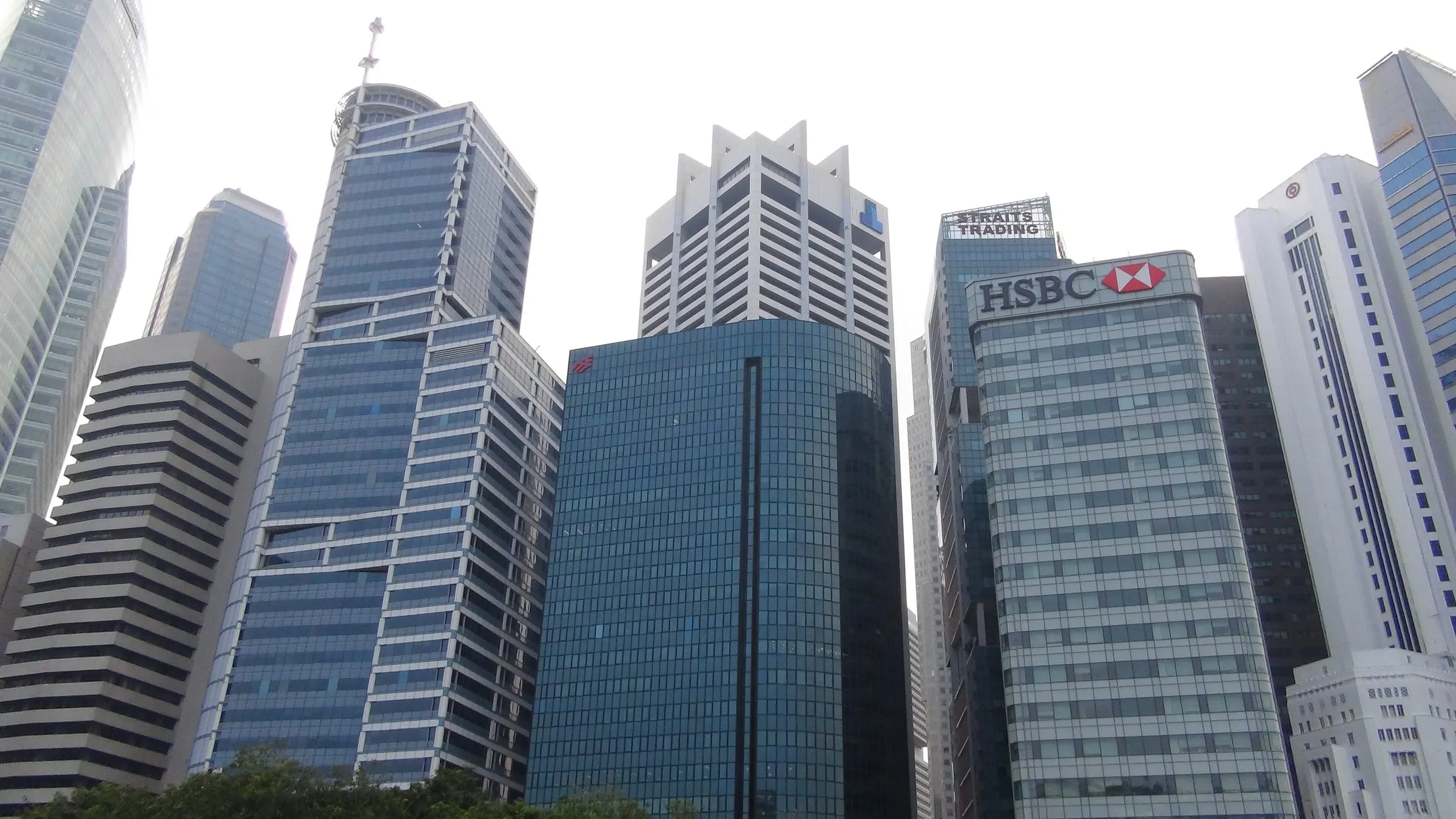
Singapore
- Stability, not speed. Long-run growth of 2 to 3% a year.
- The dollar is set to rise. Budget for increases in local payroll and leases.
- Money moves freely. No exchange controls on capital or profits.
- No longer low-tax. Large multinationals pay at least 15%.
- Watch the US tariff. 12.5% on about a third of domestic exports to the US.
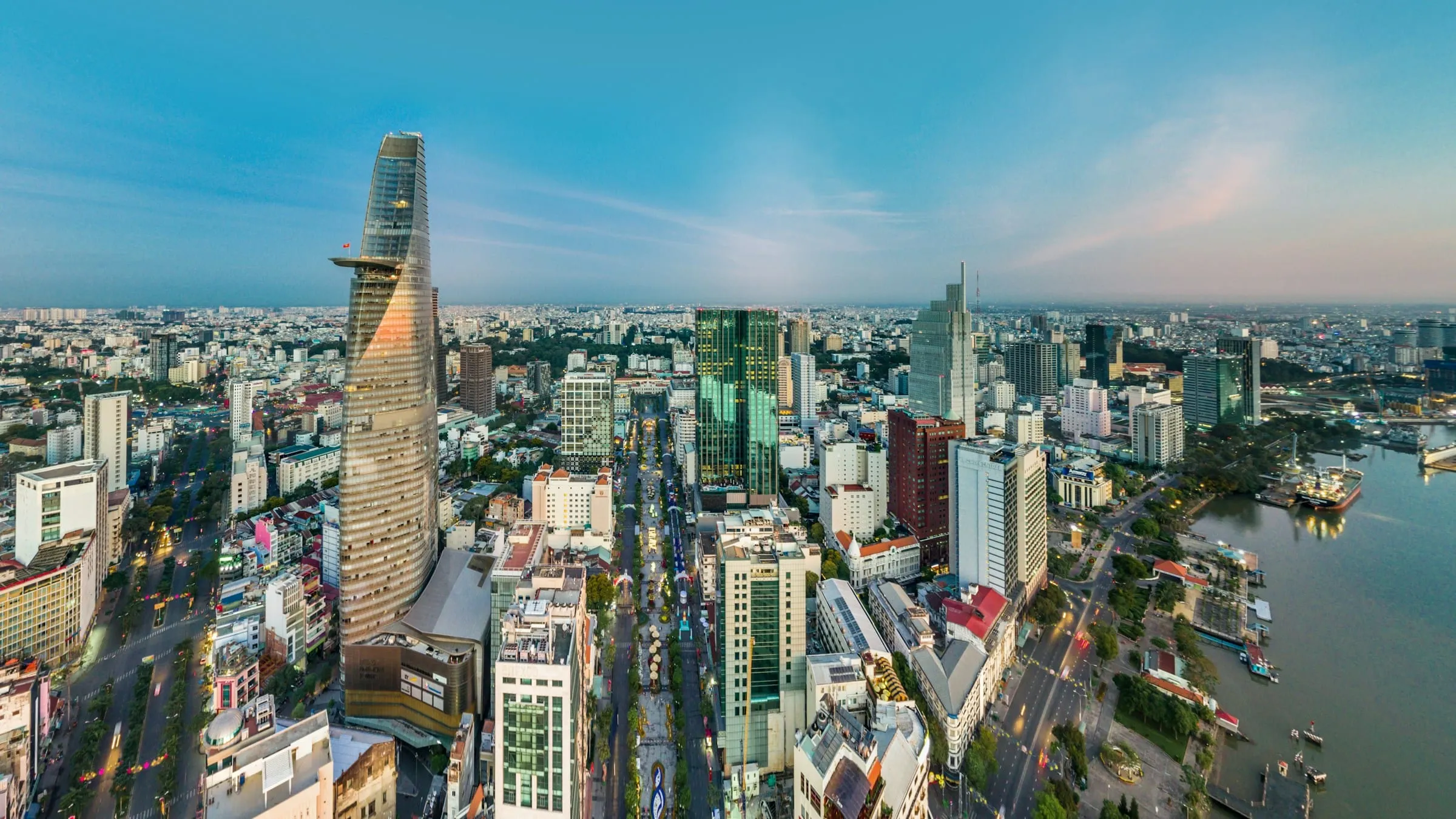
Vietnam
- Fast, but short of target. 8.55% growth against a 10.2% goal.
- Currency devaluation. Price in another 2.5 to 3% fall.
- Profits leave once a year. After audited accounts and tax finalisation.
- Bank buffers are thin. 5.3% bad loans, lending above deposits.
- Power is the bottleneck. A 4,200 MW shortfall expected in 2027.
How this briefing is organised
Five parts, from the big picture down to what it means for an investor.
Part 1 · Garett Brownlee
Rich and AAA-rated against fast-growing and one notch below investment grade.
Part 2 · Jeff Daskam
A firm currency and strong banks against cheap credit and thinner buffers.
Part 3 · Brian Friedman
A diversified hub against a US-reliant export base exposed to tariffs.
Part 4 · Mel Swayne
High incomes and high prices against a fast-growing market of essentials.
Part 5 · Justin Alexander
Singapore a GO, Ho Chi Minh City a conditional GO: hub and spoke.