Where the money is going
Singapore draws most of Southeast Asia's investment. Ho Chi Minh City's inflows have already beaten last year's total.
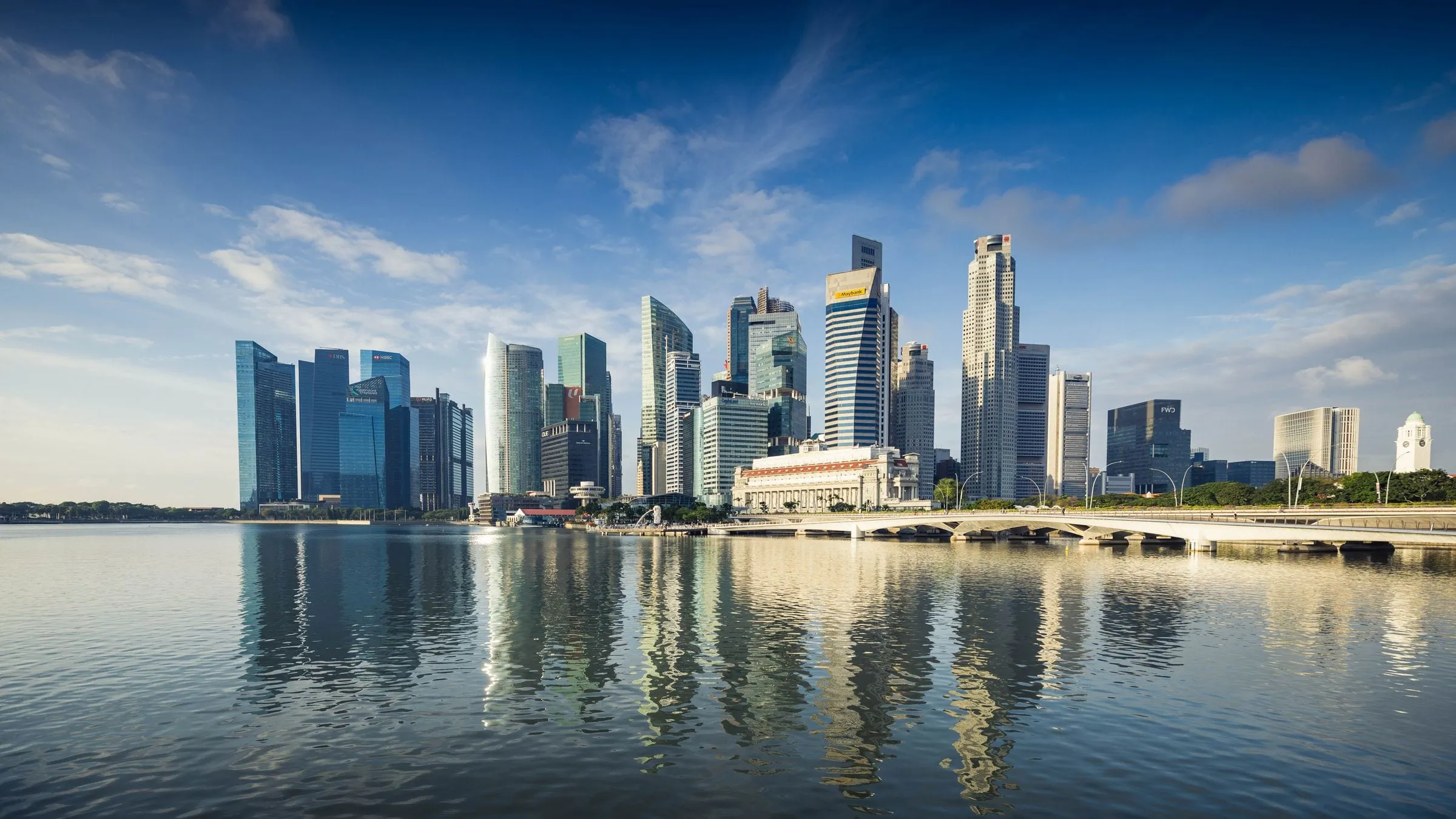
Singapore
US$151bnforeign investment, 2025
Up from US$136bn, about 62% of Southeast Asia’s total.
- Much of it passes through: headquarters and treasury capital, not only new plants.
- New commitments: about US$11.1bn in 2025, 85% manufacturing, creating 15,700 jobs, two-thirds paying over about US$3,900 a month.
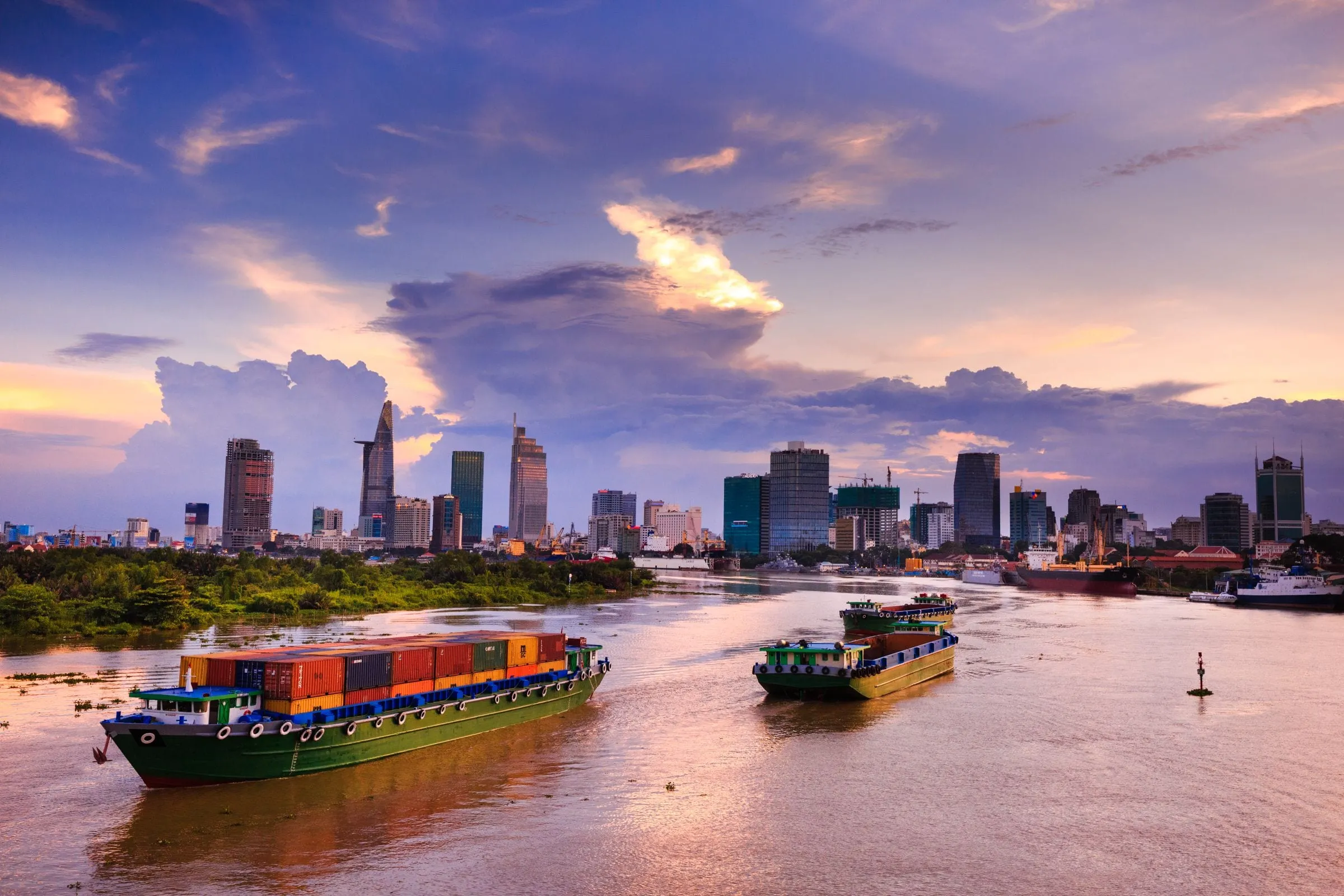
Vietnam
US$10.1bnHo Chi Minh City, January to August 2026
Already above 2025’s full-year US$8.4bn.
- Nationally, money actually spent by foreign investors has risen every year, to US$27.6bn in 2025.
- Buying in: US$2.7bn came through stakes in local firms in seven months, a common entry route.
- Industrial parks are already 21% past their 2026 target.
Where the opportunities are

Singapore pays for AI and research. Ho Chi Minh City offers land, a port and cheap tax in its new financial centre.

Singapore
- Sectors: AI chips and servers, biopharma, specialty chemicals, aircraft maintenance and tech headquarters.
- Tailwind: AI spending lifted growth to 6.1% in the first half of 2026.
- Budget 2026: a 400% tax deduction on AI spending, about US$29bn for research to 2030, and the Global Trader Programme extended to 2031.

Vietnam
- Sectors: data centres, biomedical technology and smart electronics.
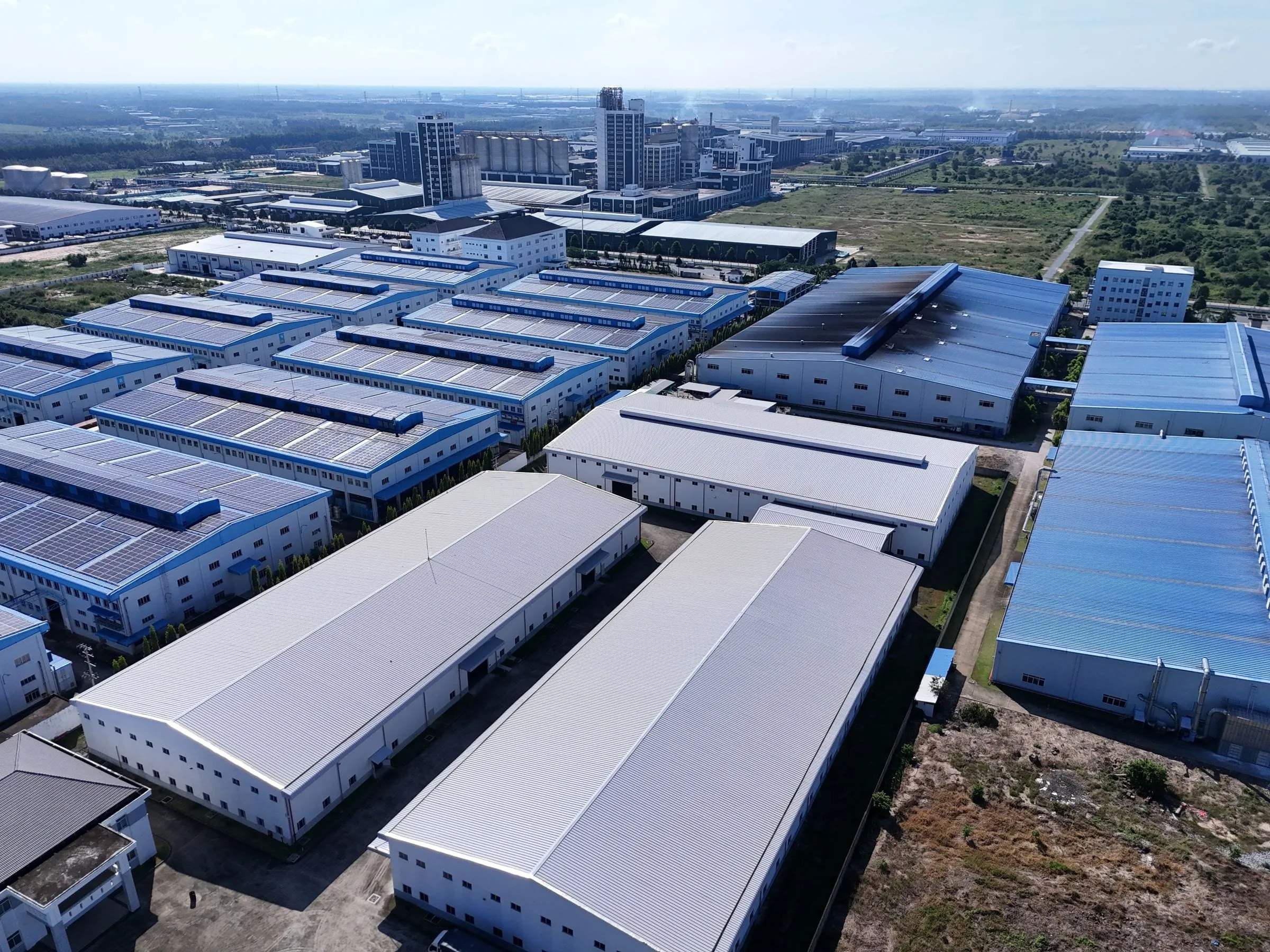
- Scale: since the merger the city has 66 industrial zones, the Cai Mep–Thi Vai deep-water port and over a quarter of national industrial output.
- Financial centre: 10% corporate tax for 30 years, but it must show real deals by November. Promising, unproven.
What could go wrong
Singapore's risks are external and cost-driven. Ho Chi Minh City's are power, delivery and prices.
Singapore
- US tariff: 12.5% on about a third of exports to the US. Pharmaceuticals, semiconductors and aerospace are exempt for now, so the exemption list is the variable to watch.
- AI cycle: growth leans on one investment boom.
- Costs: core inflation fell from 4.2% in 2023 to 0.7% in 2025 but is rising again, and 71.8% of firms name rising costs as their top concern.
Vietnam
- Power: many city substations already run at full capacity, and Vietnam expects a 4,200 MW shortfall in 2027.
- Delivery: only a quarter of 2026’s public investment budget was spent by late June. Treat official targets as ceilings.
- Prices and currency: inflation is at the 4.5% target and the dong is expected to weaken another 2.5 to 3%. Write escalation clauses into contracts.
The rules for foreign investors
Singapore is open but no longer low-tax. Vietnam is loosening, step by step.
Singapore
- Open: no exchange controls, and capital and profits move freely.
- Minimum tax: large multinationals pay at least 15% from January 2025, so Singapore now competes with grants and credits rather than low rates.
Vietnam
- Simpler approvals: the amended Investment Law took effect on 1 March 2026, though its transitional rules are still settling.
- Capital controls still apply outside the financial centre.
- Rating: BB+ with S&P and Fitch; Moody’s outlook positive since May 2026.
- Markets: FTSE Russell’s emerging-market upgrade took effect on 21 September 2026.
Before you commit
Practical steps, in each country and across both.

Singapore only
- Talk to EDB early. Incentives are awarded case by case.
- Budget for a rising currency. Build a firmer Singapore dollar into cost forecasts.
- Check the tariff list. Match each product against the US exemptions.
Both countries
- Hub and spoke. Singapore for holding, treasury and IP; Ho Chi Minh City for production.
- Already the pattern. Singapore is the largest source of new investment in Vietnam, at 35.1%.
Vietnam only
- Confirm site power. Check supply before signing a lease.
- Match currencies. Pair dollar revenue with dollar costs as the dong weakens.
- Keep origin records. Document every input for US tariff reviews.
The verdict
Singapore: GO
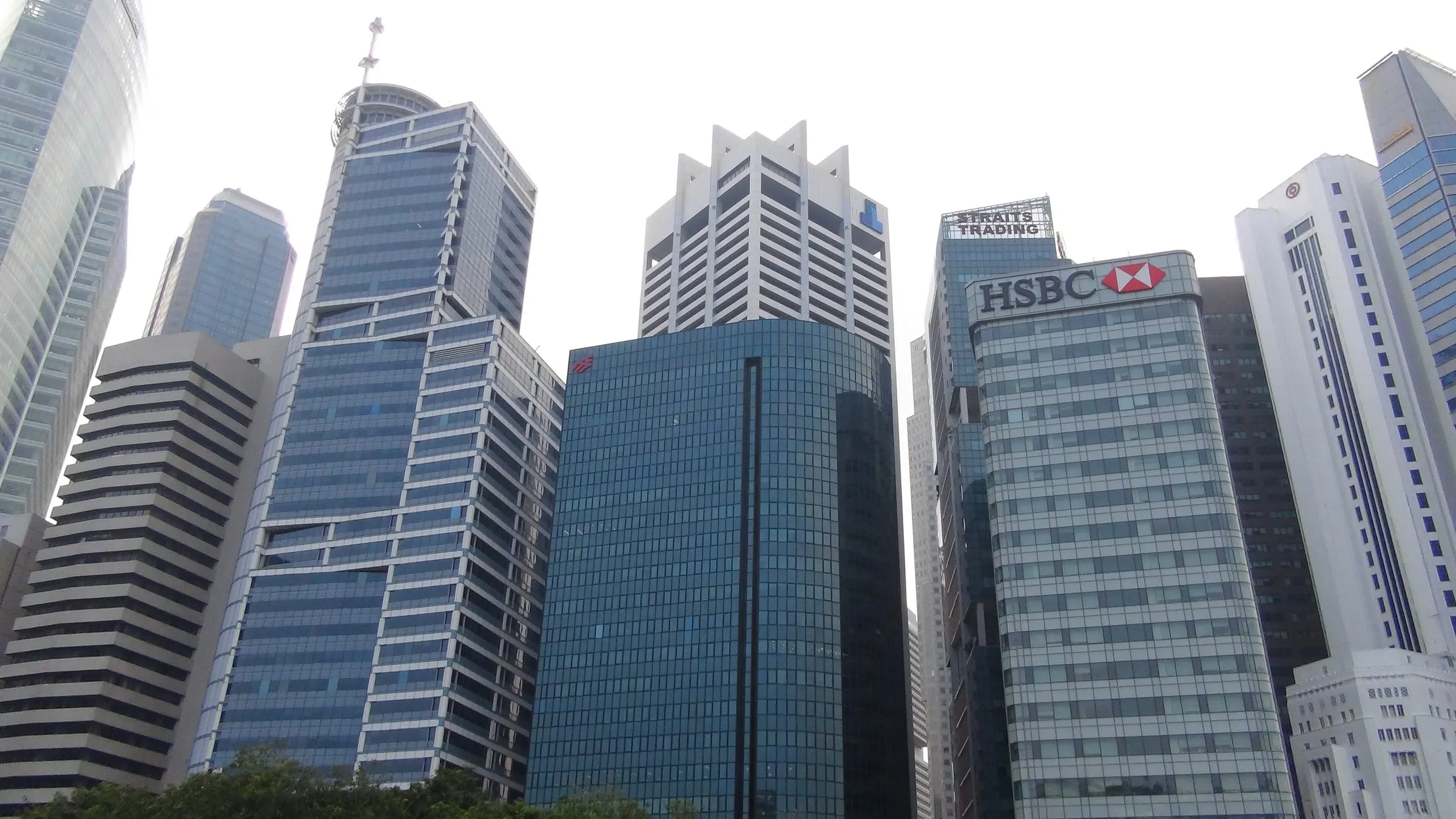
For regional headquarters, treasury, IP, R&D and high-value manufacturing. Not for labour-intensive production.

Ho Chi Minh City: CONDITIONAL GO
For export manufacturing in the industrial belt and services in the city centre.